
For Education Leaders
Get proven strategies and expert analysis from the host of the Learning Can't Wait podcast, delivered straight to your inbox.
High Dosage Tutoring
Fullmind's high-dosage tutoring means frequent small-group sessions with the same certified tutor, built into the school day.
What is a Home Learning Tutor & Do You Really Need One?

Homeschooling can be rewarding but challenging. As a parent-educator, you're tasked with guiding your child's learning across multiple subjects, addressing their unique needs, and ensuring they stay on track academically all while juggling work, household responsibilities, and other children. It's a significant undertaking that can feel daunting, especially with challenging subjects or learning obstacles where additional support through an online Home Learning tutoring guide can make all the difference. Understanding the effectiveness of online tutoring helps ensure you choose the right support for your child's educational journey.
Good news! You don't have to do it all alone. Various Home Learning support options exist, from curriculum packages to co-ops to online resources. A tutor can provide targeted assistance while maintaining the personalized, family-centered approach that attracted you to homeschooling, and the benefits of online tutoring make it an especially flexible option for homeschooling families.
This article explores what a Home Learning tutor is, their role, benefits for your homeschooling journey, and how to find the right one for your family's needs. Whether you're facing challenges with advanced mathematics or need support in specific areas through online Home Learning tutoring platforms, understanding a tutor's role can help enhance your child's educational experience.
Defining the Home Learning Tutor Role
A Home Learning tutor is an educational professional or subject matter expert who provides supplementary instruction, guidance, and support to homeschooled students in specific academic areas. Unlike the parent-educator who oversees the entire program, a tutor works alongside the primary educator, focusing on particular subjects or educational needs while the parent maintains direction of the overall process.
The distinction between tutor and parent-educator is important. As the parent, you establish the educational vision, select curriculum, and manage the learning environment, while a Home Learning tutor brings expertise, fresh perspectives, and specialized skills to address specific areas. They don't replace your role but enhance and support it, and understanding the benefits of online tutoring can help you make informed decisions about incorporating this support into your homeschool approach.
A Home Learning tutor differs significantly from a traditional classroom teacher. A tutor provides personalized, one-on-one or small-group instruction tailored to your child's learning style, pace, and needs, instead of managing 20-30 students with standardized objectives. Learning occurs within your established Home Learning framework rather than strict school schedules. If you're considering this approach, understanding how to find a tutor can help you locate the right match for your family's needs.
Home Learning tutors shouldn’t be confused with full curriculum providers or umbrella schools. While these services supply complete educational programs and handle administrative aspects like record-keeping or legal compliance, tutors supplement your chosen curriculum with additional instruction, clarification, or enrichment in specific areas where your student needs assistance.
What Does a Home Learning Tutor Do?
The responsibilities of a Home Learning tutor vary widely depending on your family's needs, your child's age and learning profile, and the specific curriculum support you're seeking. Most tutors provide some combination of these services:
- Subject-Specific Instruction: Delivering expert guidance in challenging academic areas like upper-level mathematics, chemistry labs, foreign languages, or advanced writing, subjects where parents lack confidence or expertise.
- Reinforcing Concepts: Helping students solidify their understanding of material already introduced in the main curriculum by providing additional examples, practice, and explanations.
- Filling Learning Gaps: Identifying and addressing areas where a student has misconceptions or incomplete knowledge that could impede future learning.
- Providing Personalized Attention: Offering instruction tailored to the student's unique learning style, pace, strengths, and challenges important for complex subjects.
- Homework Help & Study Skills: Assisting with assignments and teaching organizational strategies, note-taking methods, time management, and other academic skills.
- Test Preparation: Helping students prepare for standardized tests (like the SAT or ACT), placement exams, or subject-specific assessments with focused practice and test-taking strategies.
- Enrichment & Extension: Introducing advanced topics or exploring areas of interest beyond the core curriculum for students prepared for additional challenges.
- Supporting Students with Learning Differences: Providing specialized strategies and support for students with dyslexia, ADHD, giftedness, or other learning profiles. Working with an Individualized Education Program (IEP) if relevant.
- Offering Feedback: Providing constructive assessment to the student and parent-educator on progress, strengths, and areas that require improvement.
Benefits of Hiring a Home Learning Tutor
Hiring a Home Learning tutor can greatly enhance your child's education and your family's homeschooling journey beyond specific tasks:
- Improved Academic Performance: Targeted support leads to a better understanding of challenging concepts, resulting in improved mastery and grades, especially in subjects that pose difficulties.
- Increased Student Confidence: Success in difficult areas builds self-esteem and a positive attitude toward learning. When they feel encouraged, many students work harder and take more academic risks.
- Access to Subject Expertise: Utilize specialized knowledge parents lack, such as advanced physics, upper-level foreign language conversation, music theory, or specific AP/college-prep courses.
- Reduced Parent Stress & Burnout: Offloads teaching responsibilities, especially in difficult subjects or those that create tension in the parent-child relationship. This helps sustain your homeschooling momentum.
- Personalized Learning Experience: Tutoring sessions can be tailored to match your child's exact needs, learning style, pace, and interests in ways that small classroom settings cannot.
- Flexibility and Convenience: Home Learning tutoring can fit your family's timetable, especially with virtual options that eliminate commute time and geographical limitations.
- Objective Assessment & Feedback: An outside perspective on student progress helps identify strengths and weaknesses that parents might overlook due to proximity.
- Support for Diverse Learning Needs: Extra help for twice-exceptional, learning-disabled, highly gifted, or differently-learning students can significantly impact their success.
Home Learning tutoring benefits extend beyond academics, creating a more balanced and sustainable Home Learning environment for the family.
Types of Home Learning Tutors
Home Learning tutors vary, and the best fit depends on your family's situation, budget, educational philosophy, and goals. Understanding the types can help you make a better decision.
In-Person vs. Virtual Home Learning Tutors
In-Person Tutors work face-to-face with your child in your home, their home, or a neutral location like a library. This traditional approach offers direct personal interaction, immediate feedback, and hands-on activities that benefit certain subjects or learning styles. The tutor can observe body language and engagement cues directly and adjust their approach immediately. However, in-person tutoring has geographical limitations (finding qualified local experts), scheduling constraints, and potentially higher costs.
Virtual Home Learning tutors connect with students through video conferencing and digital tools. This popular option provides access to a wider pool of experts regardless of location, offers more flexible scheduling (including evenings or weekends), and costs less than in-person equivalents. Online tutors can share screens, use digital whiteboards, provide immediate resources, and record sessions for later review. The virtual format works well for older students and tech-savvy families, though it requires reliable internet access and may not suit very young children or certain hands-on subjects without adaptation.
Subject-Specific Expert vs. General Academic Support
Subject-Specific Tutors specialize in one area, such as mathematics, chemistry, Spanish, or writing. They're ideal when your child needs targeted help in a challenging subject or advanced work in a specific field. These specialists offer depth of knowledge to explain complex concepts clearly, anticipate common issues, and advance students further than generalists. For high school students in advanced courses or preparing for college, subject specialists are essential.
General Support Tutors work across multiple subjects, focusing on foundational skills, organization, and study habits. This approach works well for elementary and middle school students needing help in several areas or benefiting from seeing connections between subjects. A general tutor might help with reading comprehension one day and fractions the next, while maintaining consistency in their teaching approach and relationship with the student. For families seeking Home Learning help with overall academic progress rather than mastery of specific advanced content, a general tutor provides more value and convenience.
Certified Teacher vs. Subject Matter Expert/College Student
Certified teachers teaching at home have formal education credentials, including pedagogical training in child learning, experience with different learning styles, and skills in curriculum development and assessment. They understand educational standards, skill progression, and how to modify instruction for diverse learners, including those with special needs. Many virtual tutoring services provide access to these qualified educators who combine subject knowledge with teaching expertise.
Providers like Fullmind connect schools and families with certified virtual educators delivering live, tailored K-12 instruction. This model ensures access to qualified teachers experienced in structured learning environments, delivered flexibly for Home Learning or supplemental needs.
Subject Matter Experts or College Students may lack formal teaching credentials but bring deep knowledge in specific fields. A professional engineer might tutor advanced physics, a published author could guide creative writing, or a pre-med student might excel at teaching biology. These tutors offer practical perspectives and passion for their subjects, sometimes at lower costs than certified teachers. However, they may lack formal training in teaching methodology or experience supporting students with learning challenges, making them better suited for motivated, independent learners.
How to Find and Evaluate a Home Learning Tutor
Finding the right Home Learning tutor requires careful consideration, as they will significantly impact your child's education. Researching and vetting potential tutors increases the likelihood of a successful partnership.
Finding Potential Tutors:
- Recommendations from homeschooling families, co-ops, or support groups often lead to the best matches.
- Online tutoring platforms and agencies connect families with virtual educators teaching at home.
- Local colleges or universities may keep tutor lists in education or subject-specific departments.
- Community centers, libraries, or Home Learning resource centers that host or suggest educational services.
- Social media homeschool groups where members share experiences with local tutors.
Vetting Process:
- Check qualifications and experience, including degrees, certifications, and years teaching or tutoring in the relevant subject(s).
- Request and follow up with references from other homeschooling families about teaching style and outcomes.
- If age-appropriate, interview potential tutors with your student to assess personality fit and communication style.
- Discuss your teaching philosophy and approach to align your educational values with your child's learning needs.
- Clarify expectations for scheduling, cancellation policies, homework, and communication between sessions.
- Verify background checks for in-person tutors working directly with your child; reputable agencies usually handle this.
Key Questions:
- What is your experience with [Subject/Age Group/Learning Need]?
- How do you structure tutoring sessions and adapt to various learning styles?
- What do you do when a student doesn't understand a concept after several explanations?
- How do you assess student progress and communicate that to parents?
- What are your expectations of the parent and student during sessions?
- What are your rates, payment policies, and cancellation procedures?
- Do you have experience with homeschooled students?
- Will you coordinate with our existing curriculum, or use your own materials?
- Can you provide proof of relevant background checks or complete one?
Thoroughly researching Home Learning tutors ensures you find someone with the necessary knowledge who connects well with your child and respects your family's homeschooling approach.
Integrating a Tutor into Your Homeschool Routine
Once you've found a suitable tutor, you need to plan and communicate clearly to incorporate their sessions into your homeschool routine to maximize benefits.
Communication is essential to a successful tutoring relationship. Establish open channels between yourself, the tutor, and your student regarding goals, curriculum alignment, challenges, and progress. Be transparent about your child's learning style, strengths, struggles, and any sensitive issues. Regular check-ins, monthly or quarterly, ensure alignment and allow timely adjustments to the approach.
Scheduling tutoring sessions at consistent times that match your student's energy levels and learning rhythms improves effectiveness. Consider if your child learns best in the morning or afternoon, needs breaks between subjects, or benefits from tutoring on lighter days. Protect these times from other appointments to maintain consistency, which is essential for building rapport with the tutor.
Setting clear expectations helps everyone understand their role. Define specific, measurable goals for the tutoring sessions, like improving reading fluency, mastering algebra, or completing a science project. Be clear about what you expect the tutor to handle independently versus where I would like to remain involved. Also clarify how progress will be measured and reported.
Providing context helps the tutor integrate with your homeschool program. Share your primary curriculum, teaching approach, recently covered topics, and upcoming units. This allows them to complement your main instruction, reinforcing concepts using consistent terminology and methods.
Check your local and state homeschooling regulations regarding supplemental instruction, as requirements vary. Some states have specific provisions about who can provide instruction in a Home Learning setting.
Conclusion
A Home Learning tutor can be a valuable partner in your family's educational journey. The right tutor provides targeted academic support tailored to your child's needs while allowing you to maintain the freedom and flexibility of homeschooling. Whether you need specialized knowledge in advanced subjects, support for learning challenges, or a new approach to obstacles, the right tutor significantly impacts academic outcomes and the learning at home experience.
The benefits extend beyond improved grades. Student confidence, reduced parental stress, access to specialized expertise, and personalized learning can transform frustrating homeschooling aspects into growth and connection opportunities. By understanding the types of tutoring, vetting potential tutors, and integrating their support into your routine, you are taking a proactive step toward educational success.
Seeking Home Learning help isn't a sign of failure but of wisdom. It shows you recognize when specialized support can benefit your child and are willing to incorporate it into your homeschooling toolkit. Just as you might join a co-op for social opportunities or use online resources for certain subjects, a tutor represents another personalized element in the tailored education you're creating for your child.
Podcast
From the Learning Can’t Wait podcast
 Hosted by Hayley Spira-Bauer, Chief Academic Officer at Fullmind
"the parents are the first teachers, which seems obvious"
Related episodes
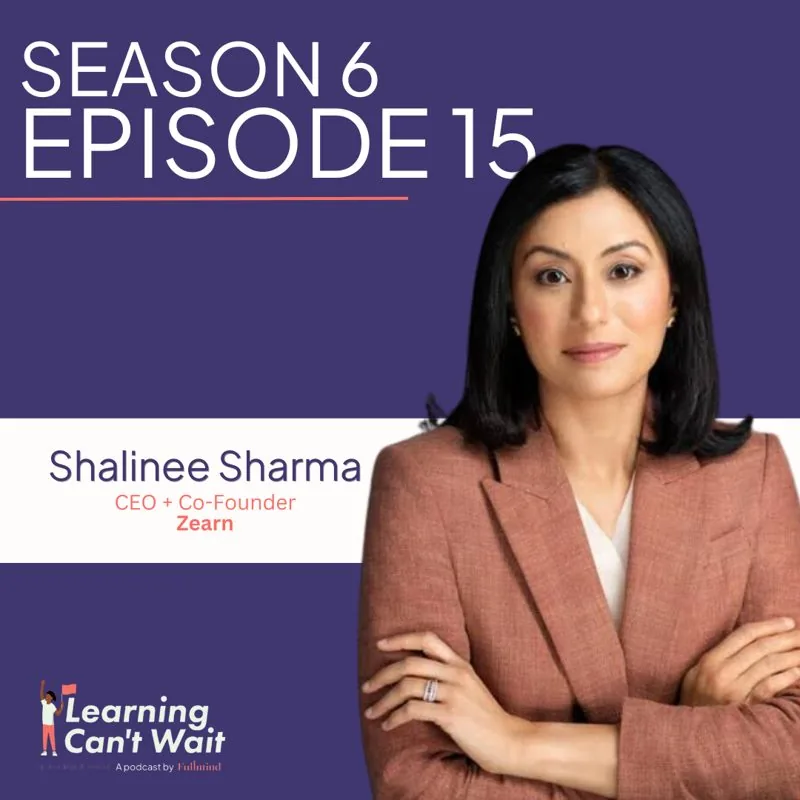 Shalinee Sharma: Math Minds, Zearn, Math Education, NumeracyDecember 10, 2024 · Shalinee Sharma
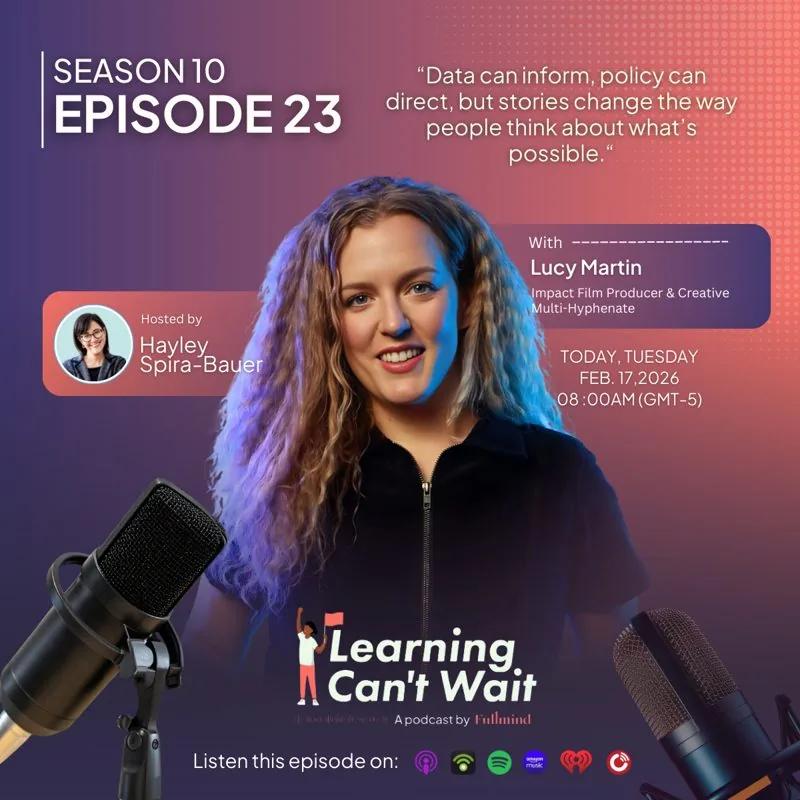 Lucy Martin: Literacy Justice, Storytelling for Impact & Community-Based SolutionsFebruary 17, 2026 · Lucy Martin
 Adrian Mim: Math Education, Teaching Styles, Diversity in STEM, Calculus ProjectJanuary 9, 2024 · Adrian Mim
For Education Leaders
Get proven strategies and expert analysis from the host of the Learning Can't Wait podcast, delivered straight to your inbox.


























































































How can we help? Let’s connect.
Tell us what you need. It takes about a minute, and you’ll see the next steps right away.
We’ll reach out within one business day
An education consultant talks through your students, schedule and goals.
Get a plan for your district
A plan built around your needs and budget.
Need support? Call 1 (888) 841-7840
Thanks! Our team will reach out within one business day to set up a time that works for you.
Need help sooner? Book a time now
Your one-pagers
Matched to what you told us. They download as one PDF.
Every child deserves the opportunity to access exceptional education.