
For Education Leaders
Get proven strategies and expert analysis from the host of the Learning Can't Wait podcast, delivered straight to your inbox.
LIVE Staffing
LIVE Staffing fills hard-to-staff roles with certified educators who teach live, synchronously, on your schedule and curriculum.
Brain-Based Learning: Using Neuroscience in Education

Brain-based learning techniques offer a solution to these challenges. Unlike fleeting educational trends, brain-based learning is grounded in the science of human learning. It aligns teaching practices with the brain's natural functioning by applying insights from neuroscience of learning and memory, creating more effective and engaging learning experiences. Rather than working against our neurological wiring, brain-based learning works in harmony with it.
This article clarifies the connection between neuroscience in education and classroom practice. You'll discover the core principles that make brain-based learning effective, along with actionable teaching strategies that support neuroplasticity and foster a growth mindset. Whether you want to boost student engagement, improve retention, or create a more dynamic and brain-friendly classroom, these evidence-based approaches will transform your teaching and learning perspective.
What Is Brain-Based Learning? A Bridge Between Science and the Classroom
Brain-based learning refers to teaching methods, lesson designs, and school programs based on the latest scientific research about how the brain learns, including cognitive development, neuroscience, and educational psychology. It leverages our understanding of the brain's natural learning processes to create more effective educational experiences.
Brain-based learning recognizes that traditional educational models often conflict with brain processes for information. Instead of working against the brain's tendencies, brain-based education aligns instruction with them, making learning more efficient and enjoyable for students and teachers.
Acknowledging the Science (And Avoiding the Myths)
Recent advancements in cognitive science and learning research have provided unprecedented insights into neurological learning processes. This influx of information has led to the proliferation of "neuromyths" that can misguide educational practice, making it crucial for educators to understand evidence-based approaches that foster a growth mindset in their students.
The claim that "we only use 10% of our brains" is false. Modern brain imaging shows all brain parts have active functions. Similarly, categorizing students as "left-brain" (analytical) or "right-brain" (creative) learners oversimplifies brain function. While certain functions are lateralized, learning involves the entire brain working as a whole, with constant communication between hemispheres. This understanding of how the brain actually works supports metacognition strategies for deeper learning.
Another persistent myth is the concept of rigid "learning styles" (e.g., visual, auditory, kinesthetic) as fixed traits determining teaching methods. While preferences exist, research has not supported matching teaching to a supposed learning style. Instead, most students benefit from multi-sensory approaches that engage multiple brain pathways simultaneously.
The 7 Core Principles of Brain-Based Learning
The principles derived from researchers Renate and Geoffrey Caine form the foundation for brain-based learning techniques. Understanding these principles helps educators design experiences that align with the brain's natural learning processes.
- The Brain is a Parallel Processor: The human brain can perform multiple operations simultaneously, processing thoughts, emotions, imagination, and sensory input all at once. Implication for teaching: Multi-sensory instruction that engages multiple brain systems simultaneously creates stronger neural networks and deeper learning. For example, discussing a historical event while viewing related images and role-playing key moments engages multiple processing systems.
- Learning Engages the Entire Physiology: The brain doesn't operate in isolation from the body. Physical states stress levels, nutrition, hydration, and movement impact cognitive function. When students are physically uncomfortable, hungry, or excessively stressed, their learning capacity diminishes dramatically.
- Emotion is Critical to Learning: The brain's emotional and cognitive functions are interconnected. Information with emotional content is more likely to be remembered. Positive emotions enhance learning by triggering the release of brain chemicals that facilitate memory formation, while excessive stress or anxiety inhibit these processes and prevent information from reaching higher cognitive centers.
- The Brain is a Pattern-Seeking Device: Our brains are designed to seek and identify patterns, organizing information into meaningful wholes. Random, disconnected facts are harder to remember than information presented in coherent patterns. This is why thematic teaching and helping students see connections between concepts enhance understanding and retention.
- Learning Involves Focused Attention and Peripheral Perception: While direct focus is important, the brain absorbs information from the surrounding environment, including subtle cues like tone of voice, body language, and classroom aesthetics. Implication: The physical environment, social atmosphere, and non-verbal cues in a classroom contribute to or detract from learning.
- Each Brain is Uniquely Organized: While all human brains share common structures, each brain is wired differently based on genetics and experience. This organization means that students process the same information differently and at different rates. Effective instruction respects this neurological diversity.
- Memory Has Two Paths: The brain has different systems for remembering isolated facts versus meaningful information. Rote memory works for memorizing disconnected information (like phone numbers) but is limited. Elaborative rehearsal, connecting new information to existing knowledge and personal experience, creates stronger, more durable neural pathways and understanding.
10 Actionable Brain-Based Learning Techniques
Now that we understand brain-based learning principles, let's explore techniques that apply these insights in the classroom. These neuroscience-grounded approaches can be implemented immediately to enhance teaching effectiveness.
1. Spaced Repetition (or Distributed Practice)
- What It Is: Spaced repetition spreads learning over time with strategic intervals between practice sessions instead of cramming.
- The Brain Science Link: This technique aligns with how memory consolidation works. When information is revisited after partial forgetting, the brain strengthens neural connections, making each retrieval more effective than massed practice.
- Classroom Example: Instead of reviewing multiplication tables in a single session, revisit them briefly at the start of each math class. Increase the intervals between reviews as students demonstrate mastery.
2. Interleaving
- What It Is: Mixing related topics or problems within a learning session, instead of focusing on one skill or concept at a time.
- The Brain Science Link: Interleaving forces the brain to continuously retrieve different strategies and solutions, strengthening neural connections and promoting better discrimination between concepts.
- Classroom Example: In math practice, alternate between different problem types (e.g., area, perimeter, and volume) instead of completing all problems of one type first.
3. The Power of Storytelling
- What It Is: Using narrative structures to convey information and concepts.
- The Brain Science Link: The human brain is wired for stories. Narrative structures activate multiple brain regions simultaneously, including those involved in sensory processing, emotion, and memory.
- Classroom Example: Frame the water cycle as "The Journey of a Water Droplet" with characters and conflicts, instead of listing the stages as disconnected facts when teaching it.
4. Incorporating Movement
- What It Is: Integrating physical activity into learning experiences.
- The Brain Science Link: Movement increases blood flow and oxygen to the brain, stimulates beneficial neurochemical release, and helps form stronger memory connections when paired with learning.
- Classroom Example: For a vocabulary lesson, have students stand and perform a specific movement for different parts of speech (e.g., jump for verbs, spin for adjectives) as you call out words.
5. Chunking Information
- What It Is: Breaking complex information into smaller, manageable units.
- The Brain Science Link: Working memory has limited capacity. Chunking respects these limitations while building complex understanding.
- Classroom Example: When teaching a complex historical period like World War II, break it down into distinct phases or themes (e.g., causes, key battles, home front) rather than presenting it as one overwhelming topic.
6. Using Novelty and Curiosity
- What It Is: Incorporating surprising elements and curiosity-sparking questions.
- The Brain Science Link: Novel stimuli trigger dopamine release, enhancing attention and motivation. The brain is attracted to curiosity and gaps the space between what we know and want to know.
- Classroom Example: Start a science lesson with a counterintuitive demonstration that challenges students' expectations. Invite them to explain what they observed.
7. Encouraging Social Learning
- What It Is: Creating opportunities for students to learn through social interaction and collaboration.
- The Brain Science Link: The brain is fundamentally social; neural systems for social interaction and learning are interconnected. Articulating understanding to peers strengthens neural networks.
- Classroom Example: Use think-pair-share routines where students first process information individually, then explain their thinking to a partner, and finally share insights with the larger group.
8. Retrieval Practice
- What It Is: Actively recalling information from memory instead of just reviewing or re-reading it.
- The Brain Science Link: Retrieval strengthens neural pathways more effectively than passive exposure to information. Each successful retrieval builds stronger connections.
- Classroom Example: Start class with a brief, low-stakes quiz on previous material, or have students write down everything they remember about a topic before further discussion.
9. Using Visuals and Graphics
- What It Is: Using visuals to complement verbal or text-based information.
- The Brain Science Link: The brain processes visual and verbal information in parallel pathways, creating multiple neural pathways to the same knowledge and reducing cognitive load.
- Classroom Example: Have students create mind maps to visualize relationships between historical events, or use color-coding systems to highlight grammatical patterns in language instruction.
10. Providing Choice and Autonomy
- What It Is: Giving students options and control over their learning.
- The Brain Science Link: Autonomy activates reward centers in the brain, increasing motivation and engagement. It allows students to work with their individual neural strengths.
- Classroom Example: For an ecosystems project, let students choose their presentation format (video, poster, model, written report) while ensuring all options require mastery of the core content.
Scaling Brain-Based Strategies: Overcoming Implementation Challenges
While these brain-based techniques are effective, implementing them consistently across classrooms presents challenges. Many educators face obstacles like large class sizes, diverse student needs, and limited planning time. The pressure to cover curriculum standards can hinder the reflection time and repeated exposure that brain-based learning requires.
Meeting diverse learner needs is challenging. Students with different backgrounds, abilities, and challenges benefit from personalized approaches. Providing tailored support for Students with Disabilities (SWD) requires dedicated resources and expertise that may exceed what's available in many schools. When IEP requirements call for specialized instruction, schools struggle to provide the needed individualized attention while maintaining quality for all students.
Staffing shortages in critical subject areas create barriers to implementing brain-friendly approaches. Schools lack teachers with specialized training in both brain-based methods and content expertise, particularly in advanced math, science, or special education. Finding qualified educators to lead specialized programs becomes a bottleneck, preventing schools from fully implementing evidence-based teaching approaches that benefit students.
Make Your School a Brain-Friendly Environment with Fullmind
Implementing these techniques across a school or district doesn't have to be overwhelming. Fullmind partners with schools to provide support for evidence-based teaching. Our certified virtual educators are trained in effective instructional strategies to fill staffing gaps, expand course offerings, and provide targeted support like high-dosage tutoring and IEP fulfillment. Let us help you build a more effective and engaging learning environment for all.
Conclusion
By applying neuroscience principles in education, we move beyond one-size-fits-all teaching models that serve only a fraction of learners. Brain-based learning techniques empower students and teachers by aligning with natural cognitive processes. The result is better academic outcomes and more engaged, curious, and confident learners across diverse school programs.
The future of education lies in creating learning environments that honor the complexity and potential of the human brain. Bridging the gap between neuroscience research and classroom practice brings us closer to an educational system that nurtures each student's unique cognitive landscape. The journey benefits everyone: students enjoy learning efficiently, and teachers facilitate genuine, lasting understanding.
Podcast
From the Learning Can’t Wait podcast
 Hosted by Hayley Spira-Bauer, Chief Academic Officer at Fullmind
Newest episodes
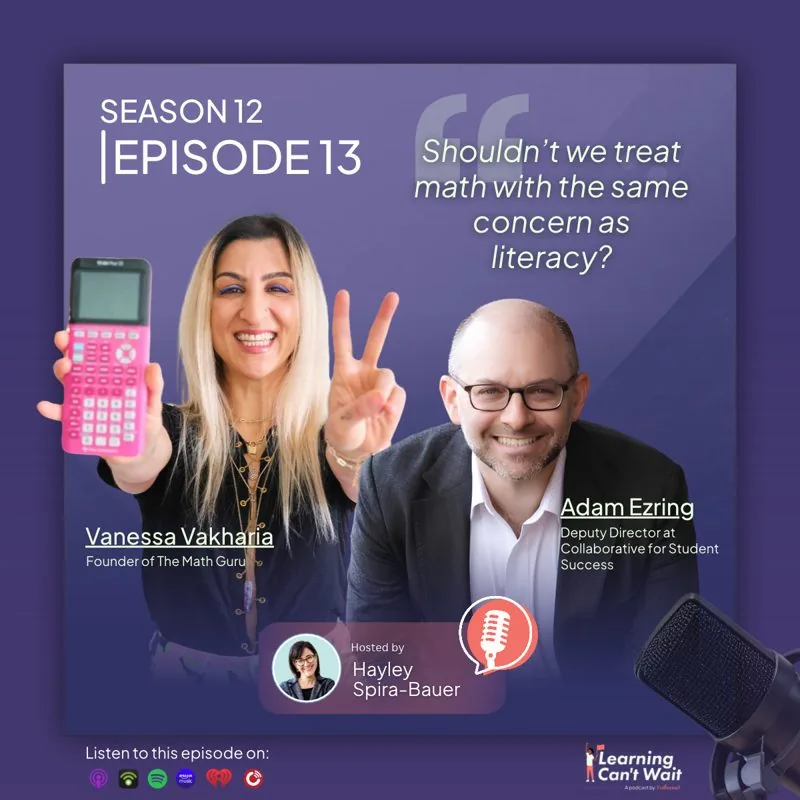 Vanessa Vakharia & Adam Ezring: Family Math, Math Confidence & Learning Through PlayOctober 13, 2026 · Vanessa Vakharia, Adam Ezring
 Dr. Daveda Colbert: Leadership, Belonging & ServiceOctober 6, 2026 · Dr. Daveda Colbert
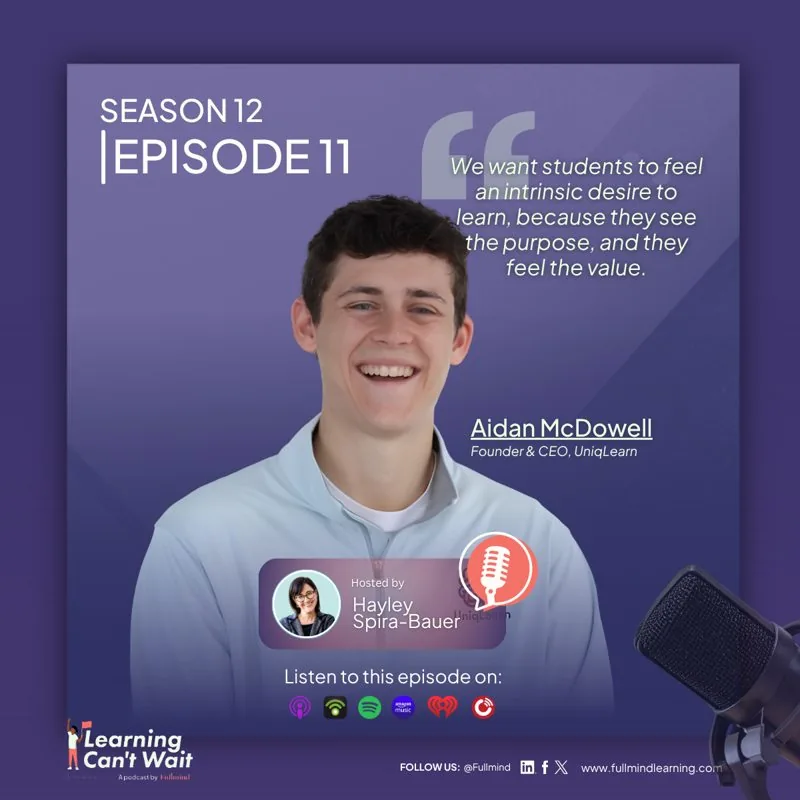 Aidan McDowell: Personalized learning, Student agency & Intrinsic motivationSeptember 29, 2026 · Aidan McDowell
For Education Leaders
Get proven strategies and expert analysis from the host of the Learning Can't Wait podcast, delivered straight to your inbox.















































































How can we help? Let’s connect.
Tell us what you need. It takes about a minute, and you’ll see the next steps right away.
We’ll reach out within one business day
An education consultant talks through your students, schedule and goals.
Get a plan for your district
A plan built around your needs and budget.
Need support? Call 1 (888) 841-7840
Thanks! Our team will reach out within one business day to set up a time that works for you.
Need help sooner? Book a time now
Your one-pagers
Matched to what you told us. They download as one PDF.
Every child deserves the opportunity to access exceptional education.