
Learning Can’t Wait · Episode 91
Heather Bookstaver, Ann Lewis, & Taylor Gump: Rural Education, Community Engagement, Technology in Schools
- Heather Bookstaver, Insightful guests
- Ann Lewis
- Taylor Gump
 Hosted by Hayley Spira-Bauer, Chief Academic Officer at Fullmind
Listen now
Heather Bookstaver, Ann Lewis, & Taylor Gump: Rural Education, Community Engagement, Technology in Schools
Episode summary
In the rural education miniseries, virtual educator Ann Lewis, 32-year Du Quoin teacher Heather Bookstaver, and student teacher Taylor Gump describe what makes rural teaching distinct. Ann, teaching South Carolina students from Virginia, praises students who work around connectivity gaps; Heather recalls Covid hotspots, library parking lots, and 88 hours of technology training. Taylor shares daily Google Forms check-ins that surface needs like heat and blankets. Heather describes a barren desert of mental health care, her own cancer and Covid ordeal, and how it taught her to truly see students.
Key takeaways
- Rural students invent workarounds, like FaceTime group chats, when home internet fails
- Covid forced a non-one-to-one district to create community hotspots and check out 75% of devices
- Everyone knows everyone: secretaries know family ties and strangers stop teachers at Walmart
- Daily SEL check-in forms reveal basic needs; rural mental health care is scarce, one doctor serving 15,000 patients
- Advice: be yourself and be their friend; have a plan but stay flexible; always look for the good
About this episode
Join host Hayley Spira-Bauer in this episode of the Learning Can't Wait podcast as she continues the Rural Education mini-series with insightful guests Heather Bookstaver, Ann Lewis, and Taylor Gump. Featuring perspectives from two seasoned educators and a passionate student teacher, this episode explores both the unique charms and challenges of teaching in rural areas.
Heather, Ann, and Taylor share a profound love for their rural communities, driven by a deep sense of connection and support that fuels their dedication to education. They reveal how these tight-knit communities foster collaboration and how technology enhances the learning experience in rural schools.
Through heartfelt personal stories, our guests vividly illustrate the realities of rural education, expressing their unwavering commitment to making a positive impact on their students' lives. This episode is a testament to the power of community and the enduring passion for teaching that thrives in rural America.
Produced by Fullmind
Episode notes
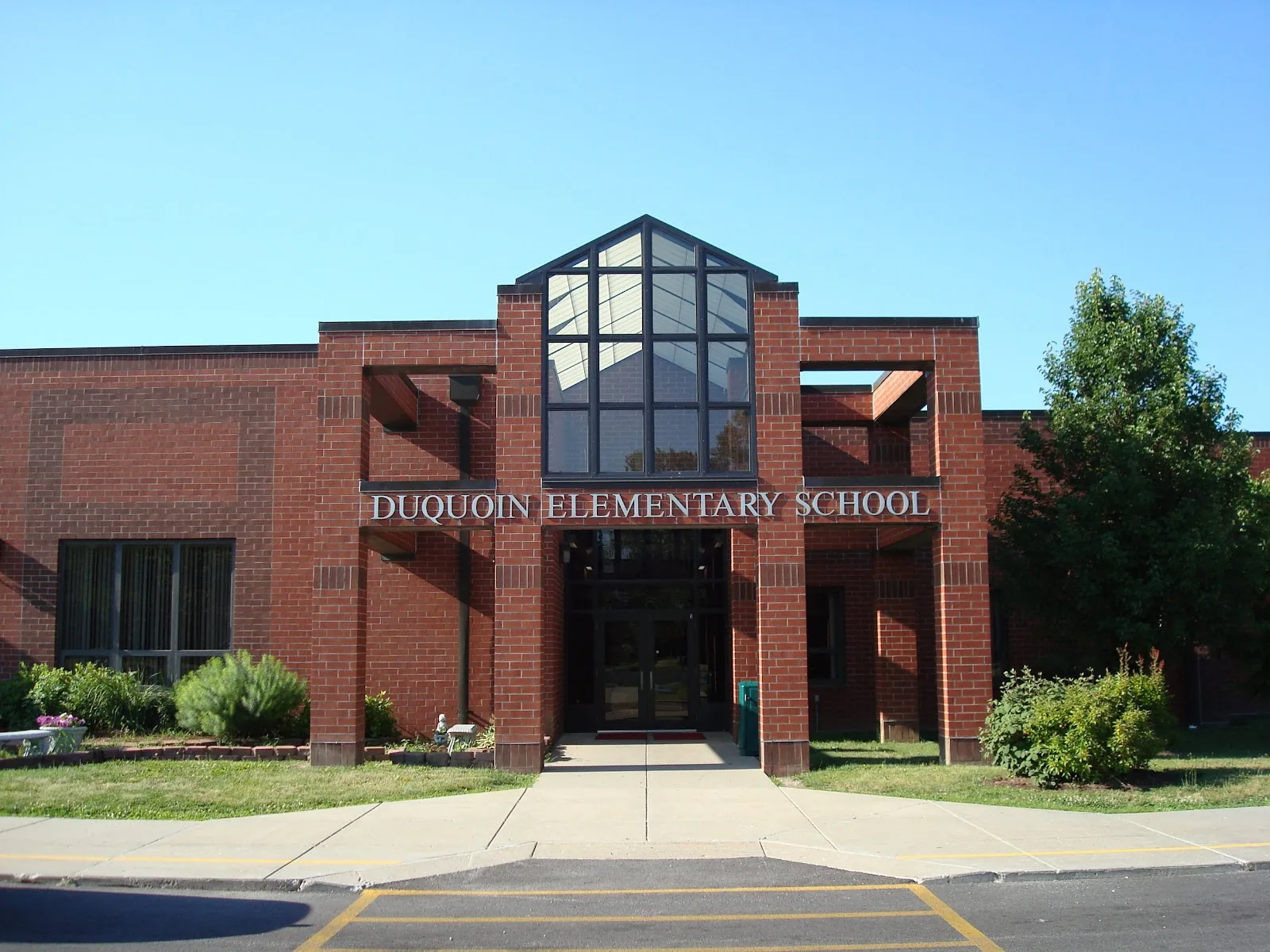
In the latest episode of the Learning Can't Wait podcast, host Hayley Spira-Bauer delves into the Rural Education mini-series with a compelling conversation featuring Ann Lewis, a Fullmind virtual educator, Heather Bookstaver, an educator at Du Quoin Elementary School, and Heather’s student teacher, Taylor Gump. This episode offers a unique glimpse into rural education through the perspectives of two experienced educators and an enthusiastic student teacher.
Want to bring more support, connection, and innovation to your rural classrooms? Schedule a free consultation today and learn how Fullmind can help you strengthen community ties, integrate technology effectively, and empower educators and students alike.
Key Takeaways
- Sense of Community: The strong, interconnected relationships in rural schools create a supportive and collaborative environment, enriching the educational experience. The sense of community provides a deep level of belonging for all students within the classroom.
- Technology's Role: Digital tools are essential in enhancing communication, providing educational resources, and supporting social-emotional learning in rural areas. When opportunities are limited due to geographical restraints, technology can often bridge that gap.
- Resilience in Challenges: Rural educators demonstrate remarkable resilience in overcoming challenges, particularly those exacerbated by the pandemic, and are committed to meeting their students' diverse needs.
- Positive Outlook: Maintaining a positive attitude, being flexible, and looking for the good are crucial for success in rural education.
- Deep Impact: Educators in rural areas deeply understand and cherish the significant impact they have on their students' lives, fostering personal and meaningful connections.
Rural education, often faced with unique challenges such as limited resources, geographical isolation, and infrastructural constraints, becomes a testament to the spirit of communities that refuse to succumb to adversity. Their journey is not just about acquiring knowledge but also about fostering a spirit of perseverance, adaptability, and a relentless pursuit of progress, proving that even in the most remote corners, dreams are nurtured, and aspirations are achieved.
Embracing Rural Education
A sentiment echoed among our rural educators and leaders is the deep sense of care within these districts. Heather Bookstaver, a seasoned educator, encapsulates this perfectly:
“...stopping you in Walmart and saying, ‘There you are!’ They know you from kindergarten and will point you out. ‘That was your cousin’s teacher, Mrs. Bookstaver.’ The idea of walking down the street and not knowing the person you’re passing is foreign here.”
This highlights the strong, interconnected relationships that define rural communities. In these tight-knit settings, everyone looks out for each other, creating a supportive environment for both teachers and students.
Community and Support in Rural Education
Ann Lewis, another experienced educator, highlights how the tight-knit nature of rural schools creates a supportive environment. She believes in the importance of forming genuine relationships with students:
“You can be their friend and still be their teacher.”
Emphasizing the unique bond that rural educators often form with their students, Ann encourages others to care deeply about their students. In rural settings, teachers are not just authority figures but also mentors and friends, providing a holistic support system that goes beyond academics.
Ann shares her experience of being invited to students' significant life events, underscoring the deep connections formed in rural schools:
“I’ve been invited to birthday parties before. There are times in these classes where we have blocked classes, so we have time where we connect.”
These moments of personal connection make teaching in rural areas incredibly rewarding and provide a sense of belonging within the classroom
Impact of Technology on Rural Education
Taylor Gump, a student teacher with fresh insights, shares how technology has become an essential tool in rural education:
“We use Google Classroom to post assignments and keep in contact with parents. We also use Class Dojo... I love using Edpuzzle where they can watch videos, and it stops them halfway through to ask them about what they just watched.”
Technology bridges the gap in rural areas, providing vital resources and facilitating better communication between teachers, students, and parents. Taylor’s enthusiasm for integrating technology into the classroom highlights its potential to enhance learning experiences and keep students engaged.
She also discusses the innovative use of technology for social-emotional learning:
“We’ve started using Google check-in forms for our social-emotional connection in the classroom. In the morning, they’ll check in about their mood, what’s making them feel this way, and if they have the proper amount of heat at home during cold weather.”
This approach ensures that students’ well-being is monitored and addressed, reflecting the holistic care that rural educators strive to provide.
Overcoming Rural Education Challenges
Heather Bookstaver reflects on the challenges faced by rural educators, particularly in the wake of the COVID-19 pandemic:
“Since coming back from COVID, I have just kind of launched myself on this SEL journey... We don't have access to the mental health [resources] that we need. It’s a barren desert of mental health.”
This highlights the significant hurdles rural educators face, from limited mental health resources to the lasting impacts of the pandemic. Heather’s dedication to improving social-emotional learning (SEL) underscores the resilience and commitment of rural teachers to meet their students’ diverse needs.
Heather's journey through personal and professional challenges is deeply moving:
“I was diagnosed with ovarian cancer for the second time just before COVID hit. I was out for 13 weeks, came back to school for one day, then COVID hit. The impact of that broke me... I was terrified to go to school because there was no COVID vaccine, and my immune system was compromised. It changed me, and it changed the way I look at them. I really see them.”
This poignant reflection illustrates the profound changes educators undergo in their journey and how these experiences shape their approach to teaching and connecting with students. Sometimes a major life change can serve as a catalyst for reimagining how they see their role in student’s lives.
Advice for New Educators in Rural Communities
The episode concludes with valuable advice for new teachers in rural areas. Taylor Gump advises:
“Always have a plan, be organized, but always be flexible. Every day is different. Every child is different. Take it day by day, and don't be discouraged if something bad happens.”
Her advice emphasizes the importance of adaptability and resilience in the ever-changing landscape of education. Routine gives students stability and security, but having the ability to waiver from that plan when needed is essential to pivoting when necessary based on the situation.
Heather Bookstaver adds:
“Always look for the good... Something that Taylor has renewed in me is the importance of looking for the good.”
This advice resonates deeply, reminding educators to maintain a positive outlook and find joy and purpose in their daily interactions with students. Inspiration is all around for educators, they just have to continue to look for it.
Conclusion
This episode of the Learning Can't Wait podcast is a heartfelt exploration of the unique landscape of rural education. It’s a celebration of the dedicated educators who go above and beyond to make a difference in their communities. For anyone interested in the realities of rural teaching, this episode is a must-listen, offering valuable insights and inspiration from those who live and breathe the joys and challenges of rural education every day.
Full transcript
Transcript generated from the recording; minor errors may remain.
Hayley Spira-Bauer: Welcome back everybody to the Learning Can't Wait. Podcast sponsored by Fullmind. Y'all, I have to tell you that it's not every day I can interrupt a busy teacher's life to have them on the podcast but when I do it very much makes for the very best episodes. So today, I'm honored, delighted, and excited, to introduce to you 2 and soon to be 3 teachers on the Learning Can't Wait. Podcast we have Ann Lewis, a Fullmind. Virtual educator Teaching in Chester County, South Carolina. Welcome Ann.
Ann Lewis: Thank you. Great to be here.
Hayley Spira-Bauer: So great to have you, and we have Heather Bookstaver a fourth grade teacher in Du Quoin, Illinois, and Du Quoin Elementary School, whether welcome Heather.
Heather Bookstaver: Thanks. I'm glad to be here. It's nice to see you, Ann and Hayley.
Hayley Spira-Bauer: I'm so excited during.
Heather Bookstaver: Taylor will be here in just a minute.
Hayley Spira-Bauer: Well, I was just going to say, we have a really special treat today, because in just a few minutes joining in the podcast will be Taylor Gump, a student teacher at Du Quoin Elementary School in Du Quoin, Illinois. And I think that I really I know that Taylor is gonna have a very unique perspective to share with us. But let's go ahead and jump right in with Ann and Heather. I'm gonna start with my typical first question, which is, how did you come to be the personal and professional version of yourself? And I'll start with you.
Ann Lewis: Okay, thanks. Hayley. Well, it was a roundabout situation when I was in high school. I never really liked school, and then I had an algebra teacher in ninth grade that I really struggled in the beginning, and he stayed with me, and he helped me. And I decided by the end of my high school career that I wanted to be a teacher I taught in both public and private schools, and when I was in college. It was interesting. I kind of put the cart before the horse, but when I went to college I had a mentor there and ended up being student teacher of the year. And from there my first job again had a wonderful group that I worked with. That taught me a lot. Ended up becoming one of 25 teachers in the country that was accepted into a teachers mathematics program that taught me a lot about hands on learning that helped me understand why it was so difficult to teach math to kids, because I was one of those kids that was very difficult to teach to. So it was a long time coming. It was a long road. It was a long process. But teaching in school was wonderful, and of course then we hit Covid. And I had actually taught college online. So I was one of the few teachers in my high school that actually had done online learning. So I became everybody else's mentor and I loved it so much that I decided that I really didn't wanna be in a building anymore that I felt there were so many thousands of students that needed some sort of alternative learning and kind of found Fullmind through the back door. And here we are. And I've taught with Fullmind now for a couple of years, both in a regular not so rural situation. And this year, in a very rural situation, and it's been a great experience, and I'll turn it over to Heather, and I'm sure we'll talk later about the interesting perspective of the difference between a rural and non rural teaching environment.
Heather Bookstaver: Yes, fantastic. Thank you, Ann. I have been teaching in this district for 32 years. I'm just about to finish my 30 s year. I have had many student teachers, but the one that I have this year is my favorite I'll tell you that before she gets here. I don't want her to get a big head. I still have to give her a grade and I started out teaching my very first year I was teaching with my mother and my father in the district, and my father in the building, that I was in.
Hayley Spira-Bauer: Wow!
Heather Bookstaver: Before that. I every school that I attended as a student a had one of my parents in it. So all 3 of my parents. By the time I got to high school my stepdad was there, and I never skip school. But I tried really hard not to be a teacher, because in rural in a rural small town. It's not like everyone lives on a farm, but there are lots of you know, like there were guys that would drive to school with their duck boat in the back of their truck, you know, or their 4 wheeler in the back of their truck. But I tried really, really hard not to be a teacher, because I did not like being a teacher's kid. I would. I vowed that my kids were not going to be teachers, kids, but I also knew that I couldn't work in an office. That was not for me. So I started in college, in sports, medicine. And I tried on lots of hats, and I I was called. I just. I was called to education, even though I didn't want it, I knew that's that's where I was needed. So when I student taught, I student taught first grade and then, when I was hired, I started with middle school. At that time it was called Title Reading and Math and I got to third grade. I was there for 25 years, and I moved to fourth. I've been here for 5 I've just spent my whole life in my hometown and given a lot to the the community and the the families that are here that I've known all my life. But it it is different for me, because I'm not. My family is not a native family. We moved in. My parents were both from Chicago area and came down here to SIU to school, so I didn't have those same family connections. I didn't have cousins that I was going to their birthday parties, and you know there were 75 relatives there at your birthday party. I didn't have that and so I've I've had to learn and adapt and adjust, because the way that we conducted our home life was different from the people around us, and I had to learn to be rural because my parents weren't.
Hayley Spira-Bauer: Wow! Both of you have shared some beautiful stories of how you found your way into the classroom, and I appreciate your vulnerability and sharing that you didn't like school until you found people that believed in you. And that is so many people's stories. And Heather it really is. And Heather, you know you sometimes you just can't avoid your calling. You're calling, find you so. I really, that story is very beautiful, and reminds me a lot of my own story to education. But I'm not here to tell that story. I'm here to talk to you and have you both share insights about teaching in rural America this Mini series is focused on really the beauty of rural rural communities across America. Some of the challenges, the innovation that is born in rural America. And so I'm excited to dive in a little bit more deeply. And talking about what makes rural America so unique and special Heather? Will you take that question first?
Heather Bookstaver: Sure. I think first of all, it's just knowing everybody. If you don't actually know them, you've seen them, or you know somebody that does know them. So. Having that safety of less strangers is really kind of a driving force behind what this is all about, and how how our classrooms are conducted, how our relationships are formed with our students and with our fellow staff.
Hayley Spira-Bauer: A lot of folks talk about the relationships and the community and the collaboration now. And you're not living in the rural environment you're teaching you're kinda satellite in. So what's your perspective about what makes rural America beautiful?
Ann Lewis: That's a great question. And having worked remotely in both rural and non rural environments. I was amazed at the difference. And what I find in working in a rural community. The technology can be a challenge, but the workarounds are really unique and wonderful.
Heather Bookstaver: We're.
Ann Lewis: Rural environment and technology. There are certainly issues that could occur during the day. But the kids are so flexible. We managed to get through those little blips that happen during the day. But one of the most important things I have found is, it's very challenging to assume that students are able to connect outside of school. So when students have the need for extra help. They may or may not have the ability to connect their laptops or computers at home. So we found out that FaceTime works really well. For some reason their phones connect them to the outside world with no issues whatsoever. So we group chat on FaceTime. We're able to do extra help. We can. We figured out ways to share documents, to. I can send students to different sites to help them to solve problems. And I think, having that ability and being able to work around situations with rural area makes it so much more unique and so much more fun for the students and the students have come up with some really neat ideas and really unique workarounds that don't exist in an area where technology is not an issue.
Heather Bookstaver: Right.
Ann Lewis: Really funny, because sometimes during class, the technology will just flip out. And all of a sudden they'll come back in and they'll go up. We're back, Miss Lou. Let's get going. I mean, they're just great about it. And you don't see that happen with that much enthusiasm in a school that doesn't experience that kind of lapse. So it's kinda nice to see. And I don't know Heather. If you experience that type of thing absolutely absolutely.
Heather Bookstaver: Lately. Covid flipped us on our butts. I'm I'm just gonna be honest. We weren't even a one to one school. We did not have the the technology available, and certainly not everyone had technology that they could access from their home. So our administrators and our teacher teams did have to get creative. We had lots of community support. So we had sub. We had to set up several technology hubs where place places where they could access the Internet. And we got grants and different ways to boost those areas. So more people could park their cars outside the library and access the Internet at any hour. McDonald's opened, opened its Internet wires to accommodate more people logging on we also had different hotspots that we could give to families that maybe had 3, 4, 5 children in the school system, all needing to be online at the same time, and just didn't have the.
Hayley Spira-Bauer: The bandwidth.
Heather Bookstaver: The bandwidth. Yes, that's the word and so we we were. We were stuck between March and May, and hustled over the summer. And then we checked out our. We didn't think we would have to check out as many as we did, but we ended up checking out about 75% of our devices to families. So that gave us a real picture of how little access they had. But the creativity is what brought us through, and the willingness to just participate. Jump in, do what needed to be done, find a way, ask somebody, and if you ask there, there is a lot of times. I I don't know if it's a rule thing, because I've not lived in the city, but if you ask someone for help they're going to help you like. It would be very rare for someone to say No so that kind of knowing each other. That kind of relationship with your neighbors was really important to get us through that really critical time.
Hayley Spira-Bauer: You know. I add real quick. I wanna just add that you all are harping on a theme for this Mini series, which is that necessity is the parent of invention, and I don't think we can say holistically that every rural school is one thing or another. Every rural school is not connected or or disconnected from technology or broadband or fiber optics like it. There's a spectrum just like everything. However, the connectivity issues that exist in rural America are not the same as those that exist in more urban settings. So I I love, I wanna name that. And I I love that. This came back up again authentically, that innovation rural schools are no stranger to innovation.
Ann Lewis: Right.
Hayley Spira-Bauer: And and I love what you said about patience, and how your students are so patient and innovative. And then Heather. You jumped on there, and you added a lot of color here about your your school itself.and how you identified a problem real quick and Covid, as many schools did, and you found a solution that really speaks to me about what is beautiful and unique about rural environments.
Heather Bookstaver: Yeah. And since we were not a one to one school, we hadn't even set up Google Classroom in a real way. Some grade levels only had iPads, which are, you know, not quite as friendly for that platform and so that year I did 80 hours of training on technology. I took Google classes. I took everything that the technology hub could throw at me just so I could keep up because I I didn't have that warm up to Covid. I had a, you know, stark contrast. I just jumped in the icy water and had to swim.
Ann Lewis: Well, it's interesting that you say that Heather, because in this particular school they used a completely different platform that I had ever used before the kids actually were better at it than I was. So I would ask the kids, okay, I put this up in this group, is that okay? And they went. No, Miss Lou, alright, let me walk you through this. So they would show me, because, yeah, they couldn't use. I think you are you familiar with a program called Kami, where the kids can type into the programs. Well, they can't use it in that school. Yeah, I mean, but.
Heather Bookstaver: Kami that year, and I was trying to get my fourth graders to write on worksheets like that, and with a track pad it was difficult, and so I had to abandon that. But Kami did have its uses during that time, so.
Ann Lewis: Well.
Heather Bookstaver: Especially the split merge option. You know I could make packets out of anything. I could make a set of slides really.
Ann Lewis: Like quickly
Heather Bookstaver: So there were things that we just had to find. And then, during our grade level meetings and things, we were just saying, Hey, I did this. We were just sharing and building on the experience and just learning as we go, just like our kid.
Ann Lewis: Yeah, the problem that we had was this system would not allow them to use Kami. So we had to find a workaround for that. So when I was uploading documents for the kids to work with, they'd go. Okay, Miss Lou, we're gonna walk you through this again. We can't do that. So you have to do this on your end, so we can do it on our end. And they were so good about teaching me what to do so, they could be successful. And what I loved about these kids is when you talked about community before and how the community works together, and how everybody knows each other, even though I was remote. I understood how close and tight knit the community was with sports and band and and community activities. So they were very active and involved after school. So if somebody couldn't get something done on time, they would email me or text me from the football field, from band practice. And say, Miss Lou, I'm here. I can't get it done, but I promise I will get it to you before class tomorrow. I had kids in regular schools who would not do that for me. And these kids just go out of their way. And I find that it's that close knit tightness that everybody knows everybody. There's one very funny story I'll share. I had one student in an advanced Precalculus class. And all of a sudden I noticed this student was not handing in any work at all, no submissions. And I got very concerned, because, especially in a class like that, these kids are always submitting work. So I emailed one of the administrators and he emailed me back. And he said, Oh, I would definitely call the parent. And I said, Well, I wanted to check and make sure that nothing was wrong. So I called the parent. Well, in the meantime the Administrator emailed me back and said, Oh, it's okay. We found out she went to this other group and she's doing another project. Well, I had already left a message. The parent, so I immediately called the parent back parent was in a doctor's office, so she called me back. And I'm in class. And I said to the kids, Hold on a second, I've got a parent on the line, they said, that's okay, Miss Lou. Just put us on mute. So I'm talking to the parent. And I had left her the second message. So she called me and she said, It's okay, Miss Lou, I understand. I am so grateful. You called. But nice to my daughter is okay.
Hayley Spira-Bauer: And.
Ann Lewis: Want you to be other than that.
Hayley Spira-Bauer: And what you've highlighted. What you've highlighted here, though, is the powerful nature of the home to school connection and rural schools. I will tell you I am getting to know better and better are very well known for that. But, as Heather, as you pointed out, you know you had your your family had to adjust to not being from a rural environment originally to becoming integral members. So Heather, talk to me about your lived experience now being in a rural community living in a rural community. What does the home to school connection look like on a daily basis for you?
Heather Bookstaver: It is. Oh, Taylor's here!
Hayley Spira-Bauer: Here comes Taylor.
Heather Bookstaver: On. And yeah, here comes Taylor. We're I'm gonna scoot over. We'll be here together. Taylor, this is Hayley and Ann.
Hayley Spira-Bauer: Whole Learning Can't Wait. Audience, they're so excited. You're coming. Heather's about to get. Heather's about to answer a question, but I'll jump over to you in a second, so you can.
Heather Bookstaver: Okay.
Hayley Spira-Bauer: Catch your breath.
Heather Bookstaver: So the the connection that we have here is somebody always knows the situation, or some kind of background, like we have incredible secretaries that know who is related to, who is related to who and like. They can just step in the office and know, okay, well, if you can't get a hold of them this way. Why don't you try? Because they took another job, and they're working. You know. Second shift now. And so there's always somebody that you know, that can tell you something about somebody they know.
Hayley Spira-Bauer: I love it. The small town feel right. The small town.
Heather Bookstaver: Yeah, absolutely. And like stopping you in Walmart and saying, You know, like. There you are, like, you know, and they know you from kindergarten know, you know that what they'll point you out? That was so. And so that was your cousin so and so's teacher. That's Mrs. Bookstaver. Hi, and then you're like, Hi! How are you? I mean it. The the idea of walking down the street and not knowing the person that you're passing like in the city it was that is foreign, that.
Hayley Spira-Bauer: Yes.
Heather Bookstaver: Happen here.
Hayley Spira-Bauer: I'll tell you that we rarely see my my kids teachers in the community. But we did see one, not not even a week and a half ago or 2. Excuse me. A few weeks ago the day of the solar eclipse in New York and we were looking for solar eclipse classes. We ran into one of my my younger son's teachers, and he I mean he did not stop talking about it for weeks. He's still talking about. It was like a celebrity siding. I could only imagine the feeling of celebrity you get. Now, Taylor, I'm going to turn the microphone over to you because you are a celebrity in training for a few more days. Tell us, why did you choose to teach in rural America, and will you continue your career in rural America. What what's next for you?
Taylor Gump: Yeah, so I don't really know why I chose to teach. I just really enjoyed elementary school whenever I was in it. And so that kind of just popped into my head. Oh, I should teach elementary school just because I liked my teachers. And so then that kind of just brought me to babysitting. And then I started working out of daycare and working more with kids. And then I realized, okay, yeah, I I do like teaching. And I do like guiding kids to wherever they need to be. And yeah, so that's kind of how I just wanted to be a teacher. I am from this area kind of do wanna stay in this area. But I do have a family that lives up north as well near Chicago, so I could teach there as well if I wanted to. But I think I like the feel of a small town a lot more than a big town.
Hayley Spira-Bauer: I love it, and I love that. You get to share this fresh perspective. So I'm gonna ask you another question, Taylor.
Taylor Gump: Thing, yeah.
Hayley Spira-Bauer: So, Taylor, was it like as you become a teacher working as a student teacher with someone that has the experience that Heather has. What are you learning from her? What are you excited to bring into your own classroom?
Taylor Gump: I have learned everything this semester this year. So honestly before student teaching, you're only in the classroom one day of the week. You don't really get to see a whole lot while you're there. We had a unique situation, though. Her one day a week in the fall was also with me. So she got to see an entire year of kind of what happens in the classrooms. Got to see the progression, which is I I really love that SIU has started to do that. So yes. I have learned a lot about how I want to structure my students whenever they're working together like in partners. I love group work. I love partner work. I love getting up and around the room. I don't like just sitting there doing a worksheet or a packet. So I try to get them up and moving whenever we can. And yeah, I'm sorry. I kind of forgot the question.
Hayley Spira-Bauer: Sorry you're you're talking about what it's like. So I am getting a good picture, though, of what the experience is like, and Ann and Heather. And I have already talked a little bit about technology. Why, what what role does technology play in schools in rural America?
Taylor Gump: A huge role. It's a lot of how we communicate to home. So we have Google Classroom that we use to post assignments to keep in contact with parents. We also use ClassDojo to keep in contact with parents. I love using Edpuzzle where they can watch videos and it stops them halfway through to ask them about what they just watched. It's more than just oh, here's a computer assignment like, I feel like they enjoy them more, and it's less work on the teachers. I mean, most of the time they grade them right than in there for you. They're responses on technology like whenever we respond using computer response compared to paper responses much different. Because why don't you talk about the daily check in? Because, yes, we that has been a big eye opener for us this year. We've started using Google check in forms for our like social, emotional connection in the classroom. So in the morning they'll come in, and they'll check in about their mood, like, what scale are you on from a one to 10? What is making you feel this way. Are you feeling worried, stressed? Did you sleep well last night? And like, whenever we had cold weather, we said, Do you have the proper amount of heat at home, because other, like some students, were having to share their coats with siblings. So we wanted to know these things in case, do you have enough blankets like I was prepared to go to Walmart and buy, you know, $200 worth of blankets if my kids needed them.
Hayley Spira-Bauer: Where.
Taylor Gump: Nicey. Thank you very.
Hayley Spira-Bauer: And all out on the line. So, and as you're listening to this, you know, tell us what strategies you use to ensure you're meeting your students, social, emotional needs given that you're virtual and your students are in person.
Ann Lewis: You know, it's interesting. Being in a classroom face to face with kids is a whole lot different. I actually thought then, being virtual. I was wrong. I really was because whether it's rural or non rural. I'm really amazed at the ability to connect with kids in the school I was at last year. The kids were so funny. They asked if I could come to graduation. And I said I was in North Carolina, and I said, Well, guys, that'd be really great. But it's a little far for me to commute. I'm in Virginia.
Heather Bookstaver: Yes.
Ann Lewis: And this year my juniors and seniors said this was last week. They said, Oh, Miss Lou, the the promise next week. Yes, I know. And they said, Can you come? You could bring your husband.
Heather Bookstaver: I see.
Ann Lewis: Eyes. I'm in Virginia. And they said, Well, we're in Virginia. I said, well, I'm in Northern Virginia. I said, let's all go on Google Maps. And we're going to find where I am. They said, how long will it take you to get here? I said, about 8 h, oh, wow! That's really yeah. That's a little too far to commute. But I think what struck me was that the I'm sorry my dogs are barking my
Heather Bookstaver: I mean.
Ann Lewis: Was amazed that they felt comfortable enough to even ask me to think that it was okay to ask me cause it. Was it just you know what? Yeah, you gotta go to the Prom. You gotta be part of this and.
Heather Bookstaver: Yeah, I've been invited to birthday parties before.
Ann Lewis: And it's like we. There are times. These in these classes, we we have blocked classes. So they're 90 min. And you certainly don't teach for 90 min. But we have time where we connect, I mean, every morning when class starts as there's a teacher in the classroom. So while she's taking attendance. Hey, guys, how's the weather down there? Cold, rainy, what's going on and like in South Carolina? It could be 75 degrees well up here. It's like 50. And everyone is that why, you're wearing a sweatshirt and turtleneck. Well, it's Friday guys. It's dress down day, right? So we get to talk about things. If somebody, if a girl walks in and I can see because the the the technology they have for us seeing each other, it's pretty cool. It's called an owl, so it scans the room so I can see kids coming in and out. And if I see a girl or a guy just kind of coming in. Kind of okay, what's going on? What happened? Or students will email me and say, I'm having trouble at home. So we'll do a side conversation.
Hayley Spira-Bauer: And then those facetimes that you mentioned before those sound like I mean, this is the power of a teacher, and Heather and Taylor like this is really the power of having students trust you with their lives. It's a given fact that they're trusting you with their education because they don't really have a choice about that, but what they disclose to you, and what they share with you, and what part you play in their lives. You you all are sharing examples that are huge testimons to the safe space you have created for your students. And I just want to pause for a second and.
Heather Bookstaver: Yeah.
Hayley Spira-Bauer: Thank you. Thank you so much for doing this work, for being in classrooms, for committing the future rest of your career hopefully, the rest of your career, Taylor, to being an educator just like Ann and Heather have. It's this is powerful.
Ann Lewis: Yeah.
Taylor Gump: And that that power has changed over the 32 years that I have been teaching.
Ann Lewis: Yeah, so, yeah.
Heather Bookstaver: I. So I had more of an old school kind of beginning to my career, but especially since Covid. And we could do a whole nother podcast on how Covid changed me as an educator? But I needed so much social, emotional support, and it drained me so much in that way. I knew that my students needed it all that much more. And so I, since coming back from Covid, I have just kind of launched myself on this SEL journey, and I went through a program called Breathe For Change, which is created for teachers by teachers, and you end up with a 200 h, Yoga license and a social emotional learning certificate. But it was basically 6 months of therapy and vulnerability from people all over the country who felt exactly broken like I did, and the things that we were learning to teach our kids. We were also learning to teach ourselves. And then I joined another group through that sponsored through one of the hospitals in Chicago. And so we're making a reach team, and. You know. Making a plan and submitting that plan and getting funding for that plan so that we can better make meet our students social, emotional needs because they are so deep and varied, and especially in this rural area, we don't have access to the mental health that we need. I would I would categorize it as a barren desert of mental health. You! They're aren't like the 1 one doctor in the area has a caseload of 15,000 patients, because there is no one else to go to.
Hayley Spira-Bauer: Wow! Wow! Heather! You know, Heather you're calling upon. I think. Personally, I would say, this is like my personal viewpoint, the benefit of technology, one in allowing teachers to receive the types of training that you might get in a well populated, highly densely accessible, maybe college town, right? There's there's cities where you have 20 colleges in a location. You can take continuing education credits as a teacher, you might not have access. So that so technology permits you to receive the type of education that has now permitted you to better serve your students. But 2, the mental health supports that would otherwise not be accessible in a rural community. And I'm you know, it's that's a shocking figure. 15,000 students on their caseload, and I can only imagine the pressure they feel to do right by their patients.
Ann Lewis: No, it's in interesting. Our daughter is a license psychologist in South. And she talks about her patient load relative to adults in the business world who have suffered from Covid as well. It's interesting. During both. I was retired. I came out of retirement because Covid Convincer. I'm an avid knitter. Covid convinced me I'm never going to retire. I for 3 months. All I did was.
Heather Bookstaver: Wanted to.
Ann Lewis: Oh, my gosh! The grandkids.
Heather Bookstaver: Yeah, I was.
Ann Lewis: It is.
Heather Bookstaver: With the.
Ann Lewis: In laws, everybody's gotten.
Heather Bookstaver: But not close enough, and I had to stay after. So just before Covid hit in in the fall of 2019, I was diagnosed the second time with ovarian cancer. So I was. I went through it. I had my surgery and I was out for 13 weeks. It was. It was a big surgery. I came back to school literally one day. Be, and all I did was throw my kids books in their bags, and you know. Tell them I love them and out the door, hoping I would see them in 2 weeks, but knowing it probably wasn't, and so so then I was back to back cancer, Covid. And the the impact of that is what broke me like I wasn't. I wasn't battered and bruised. I was broken like.
Hayley Spira-Bauer: One. You know what.
Ann Lewis: I know just how you feel, because I'm a cancer survivor as well. Mine was before long before Covid, but I'll tell you. It changes you and it. It makes you appreciate relationships, I think, a more understanding person of people's individual differences, and I remember when I was in college. One of the things that my mentor in college told me is never forget to understand students individual differences, because they are all different. They all come with different baggage and different backgrounds. And you be aware of all of that when you are teaching. I heard everything on that.
Heather Bookstaver: I heard the same messages, but it didn't ring true in the same way as when I had to experience it. When I was terrified, terrified to go to school because there was no Covid vaccine. And then, when there was a Covid vaccine students in fourth grade still couldn't get the Covid.
Hayley Spira-Bauer: But I.
Heather Bookstaver: I'm trying to keep them masked and myself safe, because my immune system is still.
Hayley Spira-Bauer: Compromise, right.
Heather Bookstaver: Yeah, I and I to go and have to see them every day, knowing that I'm putting myself at risk every single day changed me, and it changed the way I look at them, and how I really see them.I don't just see them. I I actually see them.
Ann Lewis: Yeah. And I think that's why the other reason I love teaching remotely is I don't have to worry about anybody being vaccinated or not but I. And that's what I was referring to when we talk about the connections with kids is that I still feel that connection, even though I don't get the. The one thing I do, miss is the hubs from the kids. But that's the only thing.
Heather Bookstaver: I know how to do that desk.
Hayley Spira-Bauer: The best. So so let me do this. I I I am feeling a lot of nostalgia right now. From my time, working in schools, teaching and leading, and I'm so grateful for the way that you all have shared your experiences working in rural schools, and I hate to do this, but we have some data that tells us, our podcast. Listeners lose the ability to focus on the podcast. After a certain amount of time. So I have to wrap with our last question. Which is a bummer. But I feel I feel very grateful that you all have shared your stories here today. The final question is, what advice would you give a teacher starting their career today in rural America? And I'll start with you.
Ann Lewis: Just be yourself. Be honest. Don't try and fool the kids. And I don't care what anybody says.You can be their friend and still be their teacher.
Hayley Spira-Bauer: Taylor next same question for you. Now you're about to become a certified teacher. So what advice would you give someone just starting their student teacher journey in rural America.
Taylor Gump: That's tough. I'm still learning a lot of things myself. I would say.always have a plan, be organized. but always, always be flexible.
Ann Lewis: And flexible.
Taylor Gump: Yes, be flexible. Don't always go. Don't go into things thinking that every day is gonna go this way this way, this way. Because it's not. Every day is different. Every child's different. You never know what you will run into whenever you go to school that day, so just take it day by day, and don't be discouraged if something bad happens.
Hayley Spira-Bauer: Incredible. That is such good insight from someone so new to the profession. And finally, last, but not least, Heather. What advice would you give.
Heather Bookstaver: Well, I think I would say that you need to always look for the good. And I was telling Taylor this this morning that something that she has renewed in me by having another adult in the classroom all the time is something she does very, very well is look for the good, and I think that throughout my career and the things that I've had to experience has kind of jaded me a little bit kind of worn out that empathetic muscle that I have, and so just look for the good.
Hayley Spira-Bauer: Amazing. Well, Heather and Taylor, thank you so much for coming on. The Learning Can't Wait podcast. Today and sharing your perspectives and opinions about teaching in rural America. It has been a pleasure having you on as guests.