
For Education Leaders
Get proven strategies and expert analysis from the host of the Learning Can't Wait podcast, delivered straight to your inbox.
LIVE Staffing
LIVE Staffing fills hard-to-staff roles with certified educators who teach live, synchronously, on your schedule and curriculum.
2026 Teacher Vacancies by State in the US
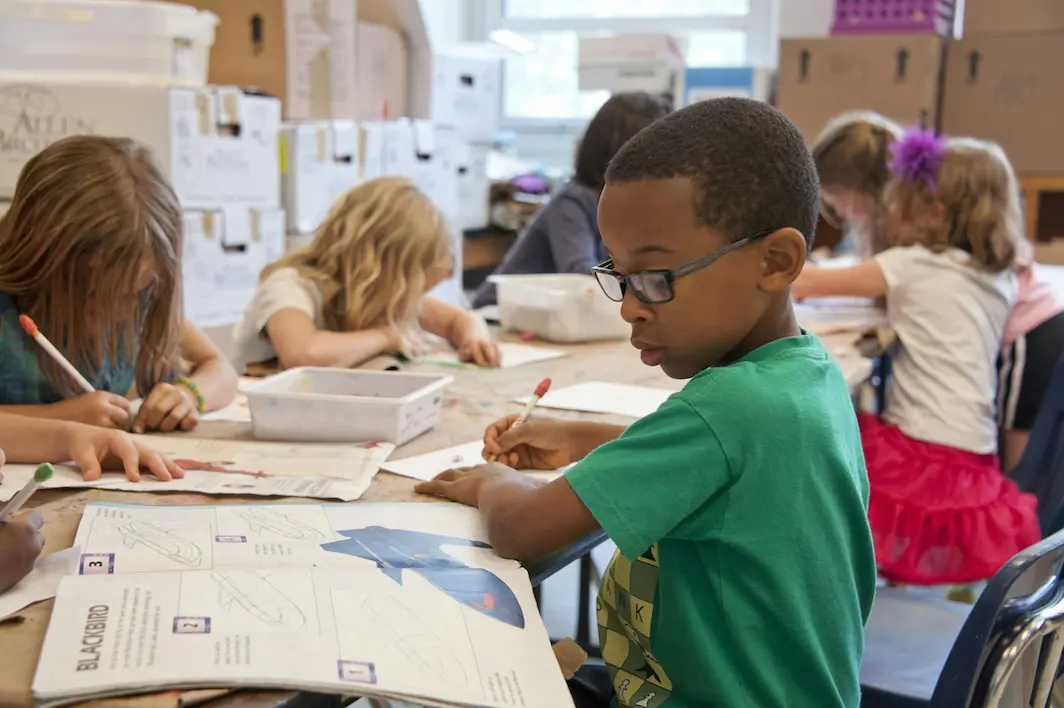
In 2026, teacher vacancies remain across all regions of the US as a result of the persistent problem of teacher shortages. The Learning Policy Institute’s State Teacher Shortages 2026 Update counts at least 425,412 teaching positions that were either unfilled or filled by teachers not fully certified for their assignments, about 1 in 8 positions nationally: 387,843 teachers not fully certified in all 50 states and the District of Columbia, and 37,569 unfilled positions in the 29 states and the District of Columbia that publish vacancy data. LPI calls this a minimum, because some states report no data or only partial data. In some areas, the inability to find qualified teachers is so bad that anyone who passes a background check gets hired, even without holding a relevant degree. While teacher vacancies are a national challenge, there are major differences from one state to another.
This article breaks down US teacher vacancies by state in 2026. We look at the number of unfilled positions and of teachers not fully certified for their assignments, and how these compare to the total number of teachers in the state. Measured by the share of teachers not fully certified, the states most severely impacted by teacher shortages are Louisiana, Delaware, Nevada, Oklahoma and Texas. Meanwhile, the states with the smallest shares are North Dakota, Maine, Ohio, Missouri and Colorado. These disparities highlight the urgent need for comprehensive teacher shortage solutions across affected regions.
Fullmind helps districts fill teacher vacancies with highly qualified, state-certified K-12 teachers who are trained in integrated instruction. Our services are available nationwide, and we can fill vacancies in as little as two weeks.
Let’s see current teacher vacancies by US state. Unfilled positions, teachers not fully certified and total teachers come from the Learning Policy Institute’s State Teacher Shortages 2026 Update (Tan, Baez & Patrick, 2026), which uses each state’s most recent published data (2023–24 to 2025–26), and average teacher salaries are the National Education Association’s 2025–26 estimates (Rankings of the States 2025 and Estimates of School Statistics 2026, Table E-6). Shortage areas are listed for each state for 2026–27 (see the note after the state list).
Alabama Teacher Vacancies in 2026
- Unfilled teacher vacancies: 1,684
- Teachers not fully certified for their teaching assignment: 6,311
- Total number of teachers: 43,161 FTE (2024–25)
- Average teacher salary (2025–26 estimate): $64,466
- Teacher shortage areas (2026–27): Core Subjects: Elementary Education, Mathematics, Special Education
Alabama reports 1,684 unfilled teaching positions, and about 1 in 7 of its teachers is not fully certified for their assignment (LPI, 2026). This is a long-standing problem in the state caused by a decreasing number of graduates in the education field and a high turnover among teachers. Similar challenges affect other states, including the Montana teacher shortage, though not all areas are equally impacted, and some subjects face more shortages than others.
To address the challenge, Alabama has resorted to hiring teachers with emergency certificates and working with long-term substitutes. While there has been a slight improvement over the course of the last couple of years as a result of these measures, there is still a significant number of available K-12 teaching positions.
Alaska Teacher Vacancies in 2026
- Unfilled teacher vacancies: 324
- Teachers not fully certified for their teaching assignment: 1,603
- Total number of teachers: 6,858 FTE (2024–25)
- Average teacher salary (2025–26 estimate): $82,629
- Teacher shortage areas (2026–27): Special Education: All Exceptionalities, Local Shortages in Five Districts (All Subjects)
While the number of teacher vacancies in Alaska is relatively low (324 positions were unfilled on the first day of the 2025–26 school year), the total number of teachers is also small, and about 1 in 4 Alaska teachers is not fully certified for their assignment (LPI, 2026). According to the Alaska Department of Labor Workforce Development, the issue is that teachers are leaving faster than they are being replaced. Most Alaska teachers who quit their current positions leave either the state or the industry altogether. The main unmet demands of local educators remain competitive wages and defined benefit options rather than unclear bonuses.
Arizona Teacher Vacancies in 2026
- Unfilled teacher vacancies: 4,242
- Teachers not fully certified for their teaching assignment: 8,181
- Total number of teachers: 61,859 FTE (2024–25)
- Average teacher salary (2025–26 estimate): $66,748
- Teacher shortage areas (2026–27): English as a Second Language: Bilingual Education, Science: General Science, Language Arts: English, Mathematics: Basic and Advanced Mathematics, Special Education: Early Childhood, Special Education: Moderate/Severe Disabilities
Arizona faces some of the most severe teacher shortages nationwide: its 4,242 vacant positions are the most of any state that publishes vacancy data (LPI, 2026). On top of that, many teaching positions are filled by educators who don’t meet the standard requirements. The main reasons behind this problem are low wages and lack of support for the profession.
The alternative fixes that Arizona is currently deploying, such as allowing people who pass a quick certification to teach, do not pose a long-term solution to the issue as they lead to suboptimal results.
Arkansas Teacher Vacancies in 2026
- Unfilled teacher vacancies: Not reported statewide
- Teachers not fully certified for their teaching assignment: 3,470
- Total number of teachers: 39,398 FTE (2024–25)
- Average teacher salary (2025–26 estimate): $60,120
- Teacher shortage areas (2026–27): Science, World Languages, Mathematics, Language Arts, Social Studies, Career and Technical Education, Art and Music Education
Arkansas does not publish statewide data on unfilled teaching positions, which makes its vacancies hard to compare with other states, and there are major disparities across regions within the state. Altogether, about 1 in 11 Arkansas teachers is not fully certified for their assignment, whether on an emergency or provisional license or teaching outside their licensed subject (LPI, 2026). The root causes include low compensation, inadequate incentives, and general lack of bachelor’s degrees, especially in some geographic areas.
California Teacher Vacancies in 2026
- Unfilled teacher vacancies: Not reported statewide
- Teachers not fully certified for their teaching assignment: 35,182
- Total number of teachers: 267,944 FTE (2024–25)
- Average teacher salary (2025–26 estimate): $105,726
- Teacher shortage areas (2026–27): Core Subjects: Elementary Education, Language Arts, Social Studies
California ranks among the states that are most severely impacted by the nationwide teacher shortages. The state does not publish statewide vacancy data, but 35,182 of its teachers are not fully certified for their assignments, more than in any state except Texas (LPI, 2026). The challenge is driven by multiple factors including low pay, teacher burnout, retirements, and lack of interest in the profession among the youth.
In 2024, California passed a new law that eliminates barriers to the teacher profession in an attempt to attract more potential educators. The new legislation is expected to help address the problem by allowing those holding a bachelor’s degree or higher from a regionally accredited institution of higher education to teach without the need to verify competence in reading, writing, and mathematics.
Colorado Teacher Vacancies in 2026
- Unfilled teacher vacancies: 272
- Teachers not fully certified for their teaching assignment: 1,344
- Total number of teachers: 53,489 FTE (2024–25)
- Average teacher salary (2025–26 estimate): $74,790
- Teacher shortage areas (2026–27): Mathematics, Special Education: Generic Special Education, Support Staff: Psychologist, Support Staff: Occupational Therapist, Science, Support Staff: Counseling, Support Staff: Speech language pathologist/audiologist, Social Studies, Language Arts: English, Core Subjects: Elementary Education, Health and Physical Fitness
Colorado suffers from less dominant teacher vacancies than other states. Nevertheless, for rural areas this is still a major challenge. The main difficulties in recruiting teachers include low salaries, long commutes to remote locations, and fewer individuals willing to study education.
Colorado is handling the issue by offering stipends to those earning an education degree.
Connecticut Teacher Vacancies in 2026
- Unfilled teacher vacancies: 795
- Teachers not fully certified for their teaching assignment: 1,178
- Total number of teachers: 43,004 FTE (2024–25)
- Average teacher salary (2025–26 estimate): $91,081
- Teacher shortage areas (2026–27): English as a Second Language: Bilingual Education, English as a Second Language, Science, Mathematics, Special Education: Speech and Language Impairment, Career and Technical Education: Industrial Technology, World Languages: Any World Language, Support Staff: Library/Media Specialist, Support Staff: Psychologist, Social Studies, Special Education
Connecticut witnesses teacher vacancies in certain areas, but generally speaking the problem is less intense than in other states. The reason behind existing shortages is that educator preparation programs do not produce enough teachers.
Connecticut has been addressing the issue by increasing class sizes, assigning more classes to teachers, and working with long-term substitute teachers, but there are not appropriate long-term solutions.
Delaware Teacher Vacancies in 2026
- Unfilled teacher vacancies: 189
- Teachers not fully certified for their teaching assignment: 3,131
- Total number of teachers: 9,627 FTE (2024–25)
- Average teacher salary (2025–26 estimate): $78,614
- Teacher shortage areas (2026–27): English as a Second Language, World Languages: Any World Language, Mathematics, Science
Delaware reports relatively few vacant positions (189), but about 1 in 3 of its teachers is not fully certified for their assignment, the second-highest share in the country (LPI, 2026). The state has been able to tangibly improve the situation by expanding investments, enhancing entry pathways, strengthening partnerships to boost the teacher pipeline, focusing on retention, and making data-based decisions.
Florida Teacher Vacancies in 2026
- Unfilled teacher vacancies: 2,260
- Teachers not fully certified for their teaching assignment: 25,292
- Total number of teachers: 155,946 FTE (2024–25)
- Average teacher salary (2025–26 estimate): $58,069
- Teacher shortage areas (2026–27): Science: Physical Science, Science: General Science, English as a Second Language, Language Arts: English, Special Education: Generic Special Education, Mathematics, Science: Earth and Space Science
Florida has one of the largest teacher shortages in the country: 25,292 of its teachers are not fully certified for their assignments, the third-highest number of any state (LPI, 2026). In addition to widespread vacant positions, many positions are filled by individuals who are not properly certified. Meanwhile, fewer and fewer college graduates go into education. As usual, the main factors that push Floridians away from the teacher profession are low pay (Florida’s estimated 2025–26 average teacher salary of $58,069 is the third-lowest in the nation; NEA, 2026) and the excessive amount of stress.
Georgia Teacher Vacancies in 2026
- Unfilled teacher vacancies: Not reported statewide
- Teachers not fully certified for their teaching assignment: 21,500
- Total number of teachers: 124,125 FTE (2024–25)
- Average teacher salary (2025–26 estimate): $72,758
- Teacher shortage areas (2026–27): Special Education, Science, Language Arts, Mathematics, Core Subjects: Elementary Education
Georgia is another state where teacher shortages are a major problem, especially in low-income and majority Black communities. The challenge is two-fold: A large number of unfilled positions and teaching positions occupied by unqualified individuals. The reasons behind this are low pay, lack of professional support, inflation, significant teacher turnover, limited professional pool, more workload, and prevailing teacher burnout. Indeed, after inflation, Georgia’s estimated 2025–26 average teacher salary is about 2.5% lower than in 2016–17 (NEA, 2026).
Hawaii Teacher Vacancies in 2026
- Unfilled teacher vacancies: 294
- Teachers not fully certified for their teaching assignment: 910
- Total number of teachers: 12,215 FTE (2024–25)
- Average teacher salary (2025–26 estimate): $77,812
- Teacher shortage areas (2026–27): Special Education, Science, Mathematics, Early Childhood: Early Childhood and Elementary Education
Hawaii was recruiting for 294 teaching positions in its most recent published count (2023–24), and about 1 in 13 of its teachers is not fully certified for their assignment (LPI, 2026). The situation has improved, but it is not clear whether this is a permanent solution or numbers might start going up again.
A main reason for the improvement has been higher retention as a result of the efforts on behalf of local authorities and school administrations.
Idaho Teacher Vacancies in 2026
- Unfilled teacher vacancies: Not reported statewide
- Teachers not fully certified for their teaching assignment: 1,177
- Total number of teachers: 17,787 FTE (2024–25)
- Average teacher salary (2025–26 estimate): $66,085
- Teacher shortage areas (2026–27): Core Subjects: Elementary Education
Idaho does not publish statewide vacancy data, and about 1 in 15 of its teachers is not fully certified for their assignment (LPI, 2026). A particularly worrisome trend in the state is the number of teachers who leave their job after the first year. Contributing factors include an aging workforce, less enrollment in teacher preparation programs, and high attrition.
Illinois Teacher Vacancies in 2026
- Unfilled teacher vacancies: 2,943
- Teachers not fully certified for their teaching assignment: 4,653
- Total number of teachers: 137,812 FTE (2024–25)
- Average teacher salary (2025–26 estimate): $80,077
- Teacher shortage areas (2026–27): Support Staff, Special Education, General Shortages, English as a Second Language, Language Arts, Mathematics, Science, Art and Music Education, Health and Physical Fitness, Administrative, Career and Technical Education, Social Studies, World Languages, Early Childhood
The Illinois State Board of Education reports that the teacher vacancy rate tripled over the course of the past couple of years. Teacher shortages are especially pronounced in special education and bilingual education, posing a specific challenge. The main challenges include low compensation, high attrition, and lack of qualified candidates.
Indiana Teacher Vacancies in 2026
- Unfilled teacher vacancies: Not reported statewide
- Teachers not fully certified for their teaching assignment: 3,442
- Total number of teachers: 67,718 FTE (2024–25)
- Average teacher salary (2025–26 estimate): $63,116
- Teacher shortage areas (2026–27): Career and Technical Education: Engineering Technology, Mathematics, Science: Physics, Science: Life Sciences, Science: Earth and Space Science, Science: Chemistry, Science: Physical Science, English as a Second Language, Special Education: All Exceptionalities, Support Staff: Counseling, Science, Computer Science, Career and Technical Education: Family and Consumer Science, Career and Technical Education: Business Education, Career and Technical Education: Health and Medical Occupations, Career and Technical Education: Agricultural Business and Production Technology, Career and Technical Education: Marketing, Career and Technical Education: Industrial Technology, Art and Music Education: Band, Science: STEM
The number of teacher vacancies is not too high in Indiana, but the proportion of unqualified educators is considerable. This is the combined effect of fewer students joining teacher preparation programs and more teachers leaving the profession in pursuit of more competitive pay and less stressful positions.
Iowa Teacher Vacancies in 2026
- Unfilled teacher vacancies: 434
- Teachers not fully certified for their teaching assignment: 1,658
- Total number of teachers: 36,217 FTE (2024–25)
- Average teacher salary (2025–26 estimate): $67,041
- Teacher shortage areas (2026–27): Science: General Science, Career and Technical Education: Industrial Technology, Career and Technical Education: Agricultural Science and Technology, Career and Technical Education: Family and Consumer Science, Support Staff: Counseling, Art and Music Education: Art, Early Childhood: Birth through Kindergarten, Career and Technical Education: Business Education, Special Education: All Exceptionalities, World Languages: Any World Language, Special Education: Deaf and Hard of Hearing, Science: Earth and Space Science, Language Arts: English, Mathematics, Art and Music Education: Music, Academically Advanced: Gifted Education, Health and Physical Fitness: Physical Education, English as a Second Language, Science: Biological Sciences, Core Subjects: Elementary Education, Science: Chemistry, Career and Technical Education, Health and Physical Fitness: Health Science, Academic Intervention: Students at Risk, Social Studies, Science: Physics, Language Arts: Reading, Support Staff: Instructional Library Media, Science: STEM
Iowa is facing significant shortages not only among teachers but also among other school professionals, especially in the eastern school districts in the state. The current situation is negatively affecting the quality of education that many Iowa students receive. What is driving the current situation is a large number of teachers quitting and few qualified applicants for available vacant positions.
Kansas Teacher Vacancies in 2026
- Unfilled teacher vacancies: 1,747
- Teachers not fully certified for their teaching assignment: 1,340
- Total number of teachers: 36,411 FTE (2024–25)
- Average teacher salary (2025–26 estimate): $63,411
- Teacher shortage areas (2026–27): Special Education: Early Childhood, Special Education: Severe and Profound Disabilities, Special Education: Deaf and Hard of Hearing, Special Education: Blind and Low Vision
Kansas teacher vacancy rates continue to be high, particularly in elementary school core subjects, mathematics, and special education. The main reasons that push many away from the teacher profession in Kansas include long working hours, stress, disappointment, and low engagement. Some areas, such as Wichita, have reduced their shortages, but this has been achieved by significantly raising teacher salaries and closing down some schools.
Kentucky Teacher Vacancies in 2026
- Unfilled teacher vacancies: 671
- Teachers not fully certified for their teaching assignment: 1,435
- Total number of teachers: 42,762 FTE (2024–25)
- Average teacher salary (2025–26 estimate): $62,457
- Teacher shortage areas (2026–27): Science: Biological Sciences, Science: Chemistry, Health and Physical Fitness, Mathematics, Science, Science: Physics, Social Studies, World Languages, Science: Earth and Space Science, Career and Technical Education, Language Arts: English & Communications, Science: General Science, Early Childhood: Interdisciplinary Early Childhood Education, Language Arts: Arts & Humanities, English as a Second Language, Special Education
Teacher vacancies are hurting the educational system in Kentucky too. Unlike other states, Kentucky exhibits multiple areas with teacher shortages. Districts are unable to fill available positions with qualified professionals as fewer students choose a career in education and more educators leave their jobs than ever before.
Louisiana Teacher Vacancies in 2026
- Unfilled teacher vacancies: 736
- Teachers not fully certified for their teaching assignment: 17,131
- Total number of teachers: 48,637 FTE (2024–25)
- Average teacher salary (2025–26 estimate): $57,660
- Teacher shortage areas (2026–27): English as a Second Language, Science, World Languages, Mathematics
While the number of vacant teacher positions has declined in Louisiana, the state has one of the highest rates of unqualified educators nationwide. Generally speaking, unlike in other regions, fewer teachers are leaving, and more students are choosing education, but extremely low wages remain a challenge to addressing the dire situation in the Louisiana educational system.
Maine Teacher Vacancies in 2026
- Unfilled teacher vacancies: Not reported statewide
- Teachers not fully certified for their teaching assignment: 267
- Total number of teachers: 15,162 FTE (2024–25)
- Average teacher salary (2025–26 estimate): $68,820
- Teacher shortage areas (2026–27): Early Childhood: Birth through Kindergarten
Maine is among the states with the lowest teacher shortages, but the situation has been consistently worsening over time, raising a potential red flag for the future. Many Maine districts report that numerous schools have come to closing over the course of the past few years because of being unable to find teachers. Teacher shortages occur across a number of subject areas.
Maryland Teacher Vacancies in 2026
- Unfilled teacher vacancies: 886
- Teachers not fully certified for their teaching assignment: 9,644
- Total number of teachers: 63,071 FTE (2024–25)
- Average teacher salary (2025–26 estimate): $90,741
- Teacher shortage areas (2026–27): Special Education: Generic Special Education, Core Subjects: Elementary Education, Early Childhood: General Curriculum/ Early Childhood, English as a Second Language, World Languages: Spanish, Art and Music Education: Music, Mathematics, Science: General Science, Art and Music Education: Art, Language Arts: English, Special Education: Severe and Profound Disabilities, Health and Physical Fitness: Physical Education, Social Studies, Career and Technical Education: Professional Technical, Career and Technical Education: Technology Preparation, Science: Biological Sciences, Health and Physical Fitness: Health Science, Career and Technical Education: Business Education, World Languages: Chinese, World Languages: French, Art and Music Education: Theatre, Career and Technical Education: Family and Consumer Science, Career and Technical Education: Computer Science, World Languages: Italian, Academic Intervention: Remedial Reading, Special Education: Blind and Low Vision, Art and Music Education: Dance, Science: Chemistry, Special Education: Deaf and Hard of Hearing, Career and Technical Education: Agro-Science and Natural Resources, Science: Physical Science, Science: Physics, Science: Earth and Space Science
Maryland is regarded as one of the better states for teachers as a result of above-average salaries (an estimated $90,741 in 2025–26; NEA, 2026), good career advancement opportunities, strong teacher unions, and great teacher professional development options. In addition to being generally low, teacher vacancies in Maryland are further shrinking. The state has witnessed an increasing rate of enrollment in educator preparation programs after a previously downward trend.
Massachusetts Teacher Vacancies in 2026
- Unfilled teacher vacancies: Not reported statewide
- Teachers not fully certified for their teaching assignment: 5,877
- Total number of teachers: 77,221 FTE (2024–25)
- Average teacher salary (2025–26 estimate): $96,165
- Teacher shortage areas (2026–27): English as a Second Language, Social Studies, Special Education, Mathematics, World Languages, Science, Language Arts, Computer Science, Early Childhood: Early Childhood and Elementary Education
Although there is a significant number of currently available teaching positions, Massachusetts has traditionally been one of the US states with the least problematic teacher shortages. Many Massachusetts school districts report teacher vacancies to be a major challenge. The main reasons behind this phenomenon are low compensation and long state certification procedures.
Michigan Teacher Vacancies in 2026
- Unfilled teacher vacancies: 2,421
- Teachers not fully certified for their teaching assignment: 6,863
- Total number of teachers: 86,462 FTE (2024–25)
- Average teacher salary (2025–26 estimate): $73,088
- Teacher shortage areas (2026–27): Career and Technical Education: Family and Consumer Science, Core Subjects: Elementary Education, English as a Second Language, Language Arts: Reading and Literacy, Mathematics, Science, Special Education: All Exceptionalities, Support Staff: Guidance and Counseling, Support Staff: Social Worker, Support Staff: Library/Media Specialist
Michigan is not ranked among the states with the worst teacher vacancies, but this is still a problem, especially in some regions. Michigan has above-average teacher attrition and teacher turnover. The Michigan Education Association reports that more teachers leave the workforce each year than replace them, leading to a growing gap between available teaching positions and available teachers; the state reports 2,421 unfilled positions (LPI, 2026).
Minnesota Teacher Vacancies in 2026
- Unfilled teacher vacancies: 205
- Teachers not fully certified for their teaching assignment: 6,886
- Total number of teachers: 58,560 FTE (2024–25)
- Average teacher salary (2025–26 estimate): $78,007
- Teacher shortage areas (2026–27): Special Education: Cross Categorical, Special Education: Emotional Disabilities, Special Education: Specific Learning Disabilities, Special Education: Autism Spectrum Disorder, English as a Second Language, Special Education: Early Childhood, Language Arts, Mathematics, Science
Even if Minnesota teacher shortages are not as bad as those in many other states, the inability to fill vacant teaching positions is still posing a major challenge. Currently, almost all school districts in Minnesota suffer from unsustainable teacher vacancies, among both full-time and substitute teachers. The pandemic is pointed as the main reason behind this as educators are still unable to recover from the burnout they reached at the time.
Mississippi Teacher Vacancies in 2026
- Unfilled teacher vacancies: 3,815
- Teachers not fully certified for their teaching assignment: 2,095
- Total number of teachers: 32,037 FTE (2024–25)
- Average teacher salary (2025–26 estimate): $56,504
- Teacher shortage areas (2026–27): Mathematics, Science, Special Education, World Languages
Mississippi has one of the largest teacher deficits in the nation: its 3,815 unfilled positions equal about 12% of its teaching workforce, the highest share of any state that publishes vacancy data (LPI, 2026). Many Mississippi schools have at least one vacancy that they are unable to fill. Districts in the Delta, the northeast, and rural areas are most significantly impacted.
Missouri Teacher Vacancies in 2026
- Unfilled teacher vacancies: 656
- Teachers not fully certified for their teaching assignment: 1,481
- Total number of teachers: 70,411 FTE (2024–25)
- Average teacher salary (2025–26 estimate): $59,534
- Teacher shortage areas (2026–27): Early Childhood: Early Childhood and Elementary Education, Health and Physical Fitness: Physical Education, Art and Music Education: Art, Social Studies, Art and Music Education: Choral Music, Language Arts: Speech, Art and Music Education: Instrumental Music, Health and Physical Fitness: Health Science, Career and Technical Education: Business Education, Career and Technical Education: Family and Consumer Science, Career and Technical Education: Marketing, Career and Technical Education: Agricultural Science and Technology, Language Arts: Journalism, Art and Music Education: Dance, Support Staff: Library/Media Specialist
With 656 unfilled positions and only about 2% of its teachers not fully certified for their assignments (LPI, 2026), Missouri has one of the smallest teacher shortages in the nation.
It’s worth noting that the state has poured significant funding into improving teacher recruitment and retention. Additionally, there were changes to the required state licensing to address the issue.
Montana Teacher Vacancies in 2026
- Unfilled teacher vacancies: 1,039
- Teachers not fully certified for their teaching assignment: 1,051
- Total number of teachers: 10,726 FTE (2024–25)
- Average teacher salary (2025–26 estimate): $60,392
- Teacher shortage areas (2026–27): Core Subjects: Elementary Education, Art and Music Education: Music, Mathematics: Basic and Advanced Mathematics, Language Arts: English, Science: General Science, Career and Technical Education: Business Education, Support Staff: Counseling, Social Studies
While Montana teacher vacancy figures already look high, some sources say they might be actually underestimated as many teachers hold multiple roles. The main reason behind this pressing issue within the state is decreasing teacher salaries in spite of growing funding available to schools, which largely goes towards rising administrators’ wages. Montana schools are increasingly prioritizing administration over instruction due to the former’s strong presentation in public education sector lobbies.
Nebraska Teacher Vacancies in 2026
- Unfilled teacher vacancies: 107
- Teachers not fully certified for their teaching assignment: 1,448
- Total number of teachers: 24,201 FTE (2024–25)
- Average teacher salary (2025–26 estimate): $64,854
- Teacher shortage areas (2026–27): Art and Music Education: Art, Career and Technical Education: Career Clusters, Special Education, Language Arts, Support Staff: Counseling, Health and Physical Fitness, Science, Support Staff: Speech language pathologist/audiologist, World Languages: Any World Language, Support Staff: Psychologist, Early Childhood: General Curriculum/ Early Childhood, Support Staff: Library/Media Specialist, English as a Second Language, Mathematics, Core Subjects: Elementary Education, Social Studies, English as a Second Language: Bilingual Education, Art and Music Education: Music
In the 2024-2025 school year, the Nebraska education sector is facing fewer vacant teaching positions than in the previous academic year. While many positions are filled by teachers who are not fully certified, Nebraska reports the fewest unfilled positions of any state that publishes vacancy data (107; LPI, 2026). Special education remains the area with the most significant shortages statewide though vacancies are present across a wide range of subjects, especially in elementary education.
Nevada Teacher Vacancies in 2026
- Unfilled teacher vacancies: 2,881
- Teachers not fully certified for their teaching assignment: 7,956
- Total number of teachers: 24,465 FTE (2024–25)
- Average teacher salary (2025–26 estimate): $75,074
- Teacher shortage areas (2026–27): Art and Music Education: Art, Early Childhood: Early Childhood and Elementary Education, Core Subjects: Elementary Education, Early Childhood: Birth through Kindergarten, World Languages: Spanish, English as a Second Language, Language Arts: English, Special Education: Autism Spectrum Disorder, Mathematics: Basic and Advanced Mathematics
Nevada has one of the most severe teacher shortages in the country. Its 2,881 unfilled positions equal about 12% of its teaching workforce, and about 1 in 3 of its teachers is not fully certified for their assignment (LPI, 2026).
These unfortunate statistics are the result of a falling apart educational system that is characterized by failure to retain teachers, hasty hiring processes, and low pay rates. Meanwhile, pursuing a career in education is rather expensive in Nevada, taking into account the high tuition fees. Another factor contributing to the extreme teacher vacancies in Nevada is the low public education funding level compared to other states nationwide.
New Hampshire Teacher Vacancies in 2026
- Unfilled teacher vacancies: Not reported statewide
- Teachers not fully certified for their teaching assignment: 2,601
- Total number of teachers: 14,438 FTE (2024–25)
- Average teacher salary (2025–26 estimate): $71,857
- Teacher shortage areas (2026–27): Career and Technical Education, World Languages: French, Science: Physics, Science: Physical Science, Science: Life Sciences, Science: Chemistry, Mathematics, Special Education: Generic Special Education, Special Education: Early Childhood, Special Education: Emotional Disabilities, Special Education: Developmental Disabilities, Career and Technical Education: Consumer Home Economics, English as a Second Language, Art and Music Education: Music, Health and Physical Fitness: Physical Education, Health and Physical Fitness: Health Science, Computer Science
While New Hampshire does not publish official numbers on the state teacher vacancies, this has been one of the states with the lowest rates. Still, rural regions and underserved areas suffer from teacher shortages, which are mostly attributed to teacher stress and burnout, poor student behavior and discipline, unfriendly school culture, and low compensation.
In the summer of 2024, New Hampshire signed a new law that aims to motivate teachers to take jobs in rural and underserved areas. This is done through measures such as student debt relief for early-career educators.
New Jersey Teacher Vacancies in 2026
- Unfilled teacher vacancies: Not reported statewide
- Teachers not fully certified for their teaching assignment: 3,080
- Total number of teachers: 117,868 FTE (2024–25)
- Average teacher salary (2025–26 estimate): $86,096
- Teacher shortage areas (2026–27): English as a Second Language: Bilingual Education, English as a Second Language, World Languages, Mathematics, Science, Special Education, Career and Technical Education
New Jersey does not publish statewide vacancy data, but it is one of the states that face the lowest teacher shortages: only about 1 in 38 of its teachers is not fully certified for their assignment (LPI, 2026). The proportion of unqualified educators is also comparably low. Nevertheless, there are major discrepancies among school districts within the state. The subjects that experience the highest teacher vacancies include mathematics, science, and special education. The number one reason for this problem is the low number of students who opt for teacher preparation programs.
New Mexico Teacher Vacancies in 2026
- Unfilled teacher vacancies: 604
- Teachers not fully certified for their teaching assignment: 681
- Total number of teachers: 24,781 FTE (2024–25)
- Average teacher salary (2025–26 estimate): $71,057
- Teacher shortage areas (2026–27): Special Education: Cross Categorical
While teacher vacancies dropped minorly in New Mexico compared to last year, the available teaching positions in areas such as special education actually increased. Importantly, the state has a very high rate of relative teacher shortages as compared to the number of students enrolled in the New Mexico educational system. The main negative factors impacting public schools in the state include high turnover rates, lack of workforce diversity, lack of special education specializations, and lack of proper training and professional development opportunities. Meanwhile, teacher recruiting practices have marked an improvement.
New York Teacher Vacancies in 2026
- Unfilled teacher vacancies: Not reported statewide
- Teachers not fully certified for their teaching assignment: 18,583
- Total number of teachers: 218,424 FTE (2024–25)
- Average teacher salary (2025–26 estimate): $100,367
- Teacher shortage areas (2026–27): Health and Physical Fitness: Health Science, Special Education, Language Arts: English, Career and Technical Education, Science
New York does not publish statewide data on vacant teacher positions in New York. About 1 in 12 of its teachers is not fully certified for their assignment (LPI, 2026), close to the middle of the states, and New York is often ranked among the best states for teachers. That’s because of high average teacher wages (an estimated $100,367 in 2025–26, second only to California; NEA, 2026), strong career advancement potential, effective teacher unions, multiple professional development resources, and a functional pension system. Having said that, New York State regions with above-average child poverty rates and racially diverse students suffer from disproportionately high teacher vacancies.
North Carolina Teacher Vacancies in 2026
- Unfilled teacher vacancies: 2,155
- Teachers not fully certified for their teaching assignment: 4,542
- Total number of teachers: 97,257 FTE (2024–25)
- Average teacher salary (2025–26 estimate): $59,971
- Teacher shortage areas (2026–27): Core Subjects: Elementary Education, Special Education: Exceptional Children, Special Education, Career and Technical Education, Mathematics, Language Arts, Science, Social Studies
North Carolina teacher shortages started coming under control after steep increases a couple of years ago. Similar to nationwide trends, low-income students in the state are affected more severely than the rest. The leading cause of high educator position vacancies is the decreasing number of students who want to build a career in the field.
There have been suggestions to eliminate the requirement for a state license to address the issue, but no official legislation has been passed regarding the matter.
North Dakota Teacher Vacancies in 2026
- Unfilled teacher vacancies: 219
- Teachers not fully certified for their teaching assignment: 78
- Total number of teachers: 10,411 FTE (2024–25)
- Average teacher salary (2025–26 estimate): $62,325
- Teacher shortage areas (2026–27): General Shortages: Education General, Career and Technical Education, Special Education, Support Staff: Counseling, Support Staff: Speech language pathologist/audiologist
With 219 unfilled positions and fewer than 1% of its teachers not fully certified for their assignments, North Dakota has the smallest share of teachers without full certification in the country (LPI, 2026). Still, the problem is apparent in a number of different subject areas but is most pronounced in special education where teacher recruitment and retention are particularly challenging.
In recent years, North Dakota launched a paraprofessional-to-teacher-pipeline program with focus on special education that has somewhat contributed to alleviating the crisis.
Ohio Teacher Vacancies in 2026
- Unfilled teacher vacancies: Not reported statewide
- Teachers not fully certified for their teaching assignment: 1,858
- Total number of teachers: 100,363 FTE (2024–25)
- Average teacher salary (2025–26 estimate): $71,868
- Teacher shortage areas (2026–27): English as a Second Language, Support Staff: Nurse, Support Staff: Social Worker, Support Staff: Occupational Therapist, Art and Music Education: Theatre, Art and Music Education: Dance, Computer Science, Support Staff: Speech language pathologist/audiologist, Support Staff: Physical Therapy, Support Staff: Counseling, Career and Technical Education: Military Science, Special Education, Health and Physical Fitness, World Languages, Career and Technical Education: Teacher Coordinator: Work-Based Learning, Art and Music Education: Art, Art and Music Education: Music, Career and Technical Education: Business Education, Career and Technical Education: Family and Consumer Science, Career and Technical Education: Engineering Technology, Career and Technical Education, Academically Advanced, Career and Technical Education: Construction Technology, Science, Mathematics, Language Arts: English, Support Staff: Study Skills
While the State of Ohio does not provide aggregate data on teacher vacancies, it is traditionally highlighted as one of the states with the highest predominance of teacher shortages across the country. Ohio public schools and school districts are facing problems with both recruiting teachers and retaining them in the long run. As a result, the educator labor force has been steadily declining over the years, since before the pandemic.
State authorities recognize offering competitive salaries and benefits as the first step towards addressing the challenge. Supportive working conditions, high-quality job-embedded support systems, and fundamental respect for the educator profession are other important factors.
Oklahoma Teacher Vacancies in 2026
- Unfilled teacher vacancies: Not reported statewide
- Teachers not fully certified for their teaching assignment: 11,163
- Total number of teachers: 43,050 FTE (2024–25)
- Average teacher salary (2025–26 estimate): $62,055
- Teacher shortage areas (2026–27): Core Subjects: Elementary Education, Health and Physical Fitness: Physical Education, Early Childhood: General Curriculum/ Early Childhood, Social Studies: History, Support Staff: Counseling, Support Staff: Psychologist, Art and Music Education: Choral Music
The problem with the lack of sufficient teachers started developing more than a decade ago in Oklahoma. It is the combined result of low pay, an overwhelmingly stressful work environment, and politics, which made the profession less desirable than ever before. This leads to fewer and fewer young people choosing this career path.
In early 2025, the state passed a bill that established the Oklahoma Teacher Recruitment Agency in addition to providing tuition and mandatory fee assistance to those earning a bachelor’s degree as long as they commit to teaching in one of the subjects that are of most critical need of teachers.
Oregon Teacher Vacancies in 2026
- Unfilled teacher vacancies: Not reported statewide
- Teachers not fully certified for their teaching assignment: 2,498
- Total number of teachers: 31,294 FTE (2024–25)
- Average teacher salary (2025–26 estimate): $83,727
- Teacher shortage areas (2026–27): Core Subjects: Elementary Education, Language Arts, Health and Physical Fitness, Mathematics, Science, Special Education
The issue of teacher vacancies is well-pronounced in Oregon. The state does not publish statewide vacancy data, but about 1 in 13 of its teachers is not fully certified for their assignment (LPI, 2026). The main drivers behind the crisis include rising college tuition and unpaid teaching internships which are required before a new graduate can apply for a formal teaching position.
Pennsylvania Teacher Vacancies in 2026
- Unfilled teacher vacancies: 1,659
- Teachers not fully certified for their teaching assignment: 13,352
- Total number of teachers: 129,658 FTE (2024–25)
- Average teacher salary (2025–26 estimate): $81,142
- Teacher shortage areas (2026–27): Core Subjects: Elementary Education, Special Education: All Exceptionalities, Mathematics, Science: Life Sciences
While teacher shortages continue to persist in Pennsylvania, there has been a slight improvement in the statistics over the course of the past couple of years. Still, research shows that the main causes of excessive teacher vacancies are rooted in the low starting salaries, the sizable student loans, and the consistently declining respect for and prestige of this very demanding profession. Administrative overload, mental health challenges, limited autonomy, and lack of professional control further contribute to teacher burnout which leads to higher attritions and lower entries.
Rhode Island Teacher Vacancies in 2026
- Unfilled teacher vacancies: Not reported statewide
- Teachers not fully certified for their teaching assignment: 941
- Total number of teachers: 10,557 FTE (2024–25)
- Average teacher salary (2025–26 estimate): $88,120
- Teacher shortage areas (2026–27): English as a Second Language, English as a Second Language: Bilingual Education, Mathematics, Science, Special Education, Health and Physical Fitness: Health Science, Health and Physical Fitness: Physical Education, World Languages, Support Staff: Library/Media Specialist, Special Education: Early Childhood, Special Education: Elementary Special Educator, Special Education: Severe and Profound Disabilities, Science: Biological Sciences, Science: Chemistry, Science: General Science, Early Childhood: General Curriculum/ Early Childhood, General Shortages: Education General, Art and Music Education: Music, Language Arts: English
In Rhode Island, teacher shortages began during the pandemic and only exacerbated over the course of the last few years. Some districts have been forced to close classrooms due to the inability to hire teachers. Schools located outside urban areas are particularly severely affected by high teacher vacancies in Rhode Island. The main cause of the problem is overload and difficult working conditions including large class sizes, insufficient funding, demanding administrative tasks, and need for student support beyond teaching.
South Carolina Teacher Vacancies in 2026
- Unfilled teacher vacancies: 706
- Teachers not fully certified for their teaching assignment: 7,138
- Total number of teachers: 57,886 FTE (2024–25)
- Average teacher salary (2025–26 estimate): $67,107
- Teacher shortage areas (2026–27): World Languages: Any World Language, Career and Technical Education: Business, Marketing and Information Technology (BMIT), Support Staff: Library/Media Specialist, Art and Music Education: Theatre, Science: General Science, Health and Physical Fitness: Health Science, Art and Music Education: Dance, Special Education: All Exceptionalities, Language Arts: English, Art and Music Education: Music, Mathematics: Basic and Advanced Mathematics, Art and Music Education: Art, Support Staff: Speech language pathologist/audiologist, Social Studies, Language Arts: Literacy, Health and Physical Fitness: Physical Education, Career and Technical Education: Agricultural Science and Technology, English as a Second Language, Drivers Education: Driver and Traffic Safety Education, Career and Technical Education, Computer Science, Academically Advanced: Gifted Education, Core Subjects, Core Subjects: Montessori Education, Support Staff: Counseling, Support Staff: Psychologist, Core Subjects: Elementary Education, Career and Technical Education: Family and Consumer Science, Career and Technical Education: Industrial Technology
While the relative number of vacant K-12 teacher positions in South Carolina is not too high, the proportion of unqualified educators is rather distressing. In spite of some developments in recent years, the level of teacher shortages remains higher than before the pandemic. The number one reason for high teacher vacancies in the state is recognized as low pay, so the easiest way to fix the problem is to provide more competitive compensation and benefits to teachers.
South Dakota Teacher Vacancies in 2026
- Unfilled teacher vacancies: 137
- Teachers not fully certified for their teaching assignment: 1,072
- Total number of teachers: 10,227 FTE (2024–25)
- Average teacher salary (2025–26 estimate): $60,451
- Teacher shortage areas (2026–27): Career and Technical Education, Special Education, Core Subjects: Elementary Education
The inability to recruit qualified teachers has had a disturbing effect on the South Dakota educational system. Local experts point out low pay, politics, and the lingering impact of the global pandemic as the chief drivers of this challenge. It’s important to note that South Dakota has one of the absolutely lowest average wages for K-12 teachers, which makes the profession really unattractive for students as well as existing teachers.
Tennessee Teacher Vacancies in 2026
- Unfilled teacher vacancies: 831
- Teachers not fully certified for their teaching assignment: 4,095
- Total number of teachers: 60,052 FTE (2024–25)
- Average teacher salary (2025–26 estimate): $62,941
- Teacher shortage areas (2026–27): Mathematics, World Languages: Any World Language, Special Education, English as a Second Language
In 2025, the State of Tennessee is witnessing varying degrees of teacher shortages across subject areas. Teacher turnover rates are very high among new hires who frequently are deprived of proper coaching, mentoring, and peer support. This leads to burnout and desire to quit amid heavy workloads, unreasonable expectations, poor treatment of teachers, and student discipline. Establishing strong and effective support networks available to both new and experienced teachers can go a long way in Tennessee.
Texas Teacher Vacancies in 2026
- Unfilled teacher vacancies: Not reported statewide
- Teachers not fully certified for their teaching assignment: 92,268
- Total number of teachers: 371,144 FTE (2024–25)
- Average teacher salary (2025–26 estimate): $68,001
- Teacher shortage areas (2026–27): Career and Technical Education, Special Education, Computer Science, English as a Second Language: Bilingual Education
While the significant number of available teaching positions in Texas in 2025 should not be overlooked, there is another even more distressing aspect of the teacher shortage problem that needs to be paid attention to. Namely, about 1 in 4 Texas teachers (92,268) is not fully certified for their assignment, the most of any state (LPI, 2026). There is a wide range of factors that are contributing to the crisis in Texas including but not limited to low pay rates, lack of state funding for the education sector, and high attrition rates.
Some possible solutions include increasing teacher salaries and growing teacher preparation programs in addition to hiring unqualified teachers, which, however, cannot be a long-term strategy due to the negative effect on the quality of education.
Utah Teacher Vacancies in 2026
- Unfilled teacher vacancies: Not reported statewide
- Teachers not fully certified for their teaching assignment: 5,031
- Total number of teachers: 31,705 FTE (2024–25)
- Average teacher salary (2025–26 estimate): $75,306
- Teacher shortage areas (2026–27): Core Subjects: Elementary Education
Utah is usually ranked as one of the states with the absolutely worst teacher shortages. The state suffers from high student-teacher ratios, which limits the ability to increase class sizes in case of new teacher vacancies. The root causes of the problem in Utah comprise teacher retirement and low teacher retention. It’s worth noting that districts are unable to fill vacant positions although the state offers some of the best conditions for teachers nationwide, such as above-average salaries, strong professional development opportunities, and good retirement options.
Vermont Teacher Vacancies in 2026
- Unfilled teacher vacancies: Not reported statewide
- Teachers not fully certified for their teaching assignment: 1,025
- Total number of teachers: 7,882 FTE (2024–25)
- Average teacher salary (2025–26 estimate): $73,694
- Teacher shortage areas (2026–27): Support Staff: Guidance and Counseling, Support Staff: Library/Media Specialist, Support Staff: Nurse, Support Staff: Social Worker, Social Studies, Art and Music Education: Theatre, Art and Music Education: Art, Career and Technical Education: Construction Technology, Career and Technical Education: Health and Medical Occupations, Career and Technical Education: Public Safety/Protective Services, Career and Technical Education: Transportation Careers, Early Childhood: Early Childhood and Elementary Education, Core Subjects: Elementary Education, Language Arts: English, Health and Physical Fitness: Health Science, Art and Music Education: Music, Health and Physical Fitness: Physical Education, Administrative: Principal
Vermont is often described as having milder shortages than most states, yet about 1 in 8 of its teachers is not fully certified for their assignment (LPI, 2026). The problem is more clearly pronounced in the rural areas of Vermont where teachers get discouraged by the lack of adequate housing options, higher salaries in neighboring states (New York and Massachusetts), and the scarcity and high cost of childcare for their own children.
Virginia Teacher Vacancies in 2026
- Unfilled teacher vacancies: 2,463
- Teachers not fully certified for their teaching assignment: 19,215
- Total number of teachers: 94,345 FTE (2024–25)
- Average teacher salary (2025–26 estimate): $72,014
- Teacher shortage areas (2026–27): Special Education, Core Subjects: Elementary Education, General Shortages: Education General, Language Arts: English, Science, Career and Technical Education, Mathematics, Social Studies: History, World Languages, English as a Second Language
Virginia is facing a considerable teacher shortage situation although it is considered to be one of the top states for educators due to the strong potential for career advancement, available teacher unions, effective professional development options, and good pension benefits. Still, low pay, high workload, tough working conditions, and inefficient school leadership cause fewer to enter the profession and more to leave it.
Washington Teacher Vacancies in 2026
- Unfilled teacher vacancies: Not reported statewide
- Teachers not fully certified for their teaching assignment: 8,823
- Total number of teachers: 61,269 FTE (2024–25)
- Average teacher salary (2025–26 estimate): $99,649
- Teacher shortage areas (2026–27): Core Subjects: Elementary Education, Special Education: All Exceptionalities, Early Childhood: General Curriculum/ Early Childhood, Career and Technical Education: Technology Preparation, Career and Technical Education: Health and Medical Occupations, Science: General Science, Language Arts: Reading and Literacy, Support Staff: Counseling, English as a Second Language, World Languages: American Sign Language, Career and Technical Education: Family and Consumer Science, Career and Technical Education: Agricultural Science and Technology
Washington is another highly ranked state for teachers, but this doesn’t mean that there are no excessive vacancies in 2025. While the state pays one of the highest teacher salaries nationwide (an estimated $99,649 in 2025–26; NEA, 2026), 8,823 of its teachers are not fully certified for their assignments (LPI, 2026). Local education experts identify the lack of respect for the profession as the single most important factor driving teachers out of the workforce in Washington, but there is no easy fix for this growing challenge.
West Virginia Teacher Vacancies in 2026
- Unfilled teacher vacancies: Not reported statewide
- Teachers not fully certified for their teaching assignment: 1,439
- Total number of teachers: 18,077 FTE (2024–25)
- Average teacher salary (2025–26 estimate): $58,281
- Teacher shortage areas (2026–27): Science: Physics, Special Education: Elementary Pre-school (Pre-kindergarten), Science: General Science, World Languages: German, Special Education: Autism Spectrum Disorder, Special Education: Deaf and Hard of Hearing, Science: Biological Sciences, Science: Chemistry, Language Arts: English, Social Studies: History, Special Education: Behavioral Disabilities, Special Education: Multi-Categorical, World Languages: Spanish, Mathematics: Basic and Advanced Mathematics, World Languages: French, Special Education: Blind and Low Vision, World Languages: Russian, Special Education: Severe and Profound Disabilities, Special Education: Cognitive Disabilities
West Virginia is experiencing major teacher shortages, especially in some school districts. The problem is quite persistent across a range of subject areas. Education experts attribute the issue to, first, failing to attract new teachers and, second, being unable to retain experienced ones. The extremely low pay is cited as the main reason why many teachers quit within their first few years.
Wisconsin Teacher Vacancies in 2026
- Unfilled teacher vacancies: Not reported statewide
- Teachers not fully certified for their teaching assignment: 4,321
- Total number of teachers: 59,308 FTE (2024–25)
- Average teacher salary (2025–26 estimate): $68,943
- Teacher shortage areas (2026–27): Special Education: Cross Categorical, Core Subjects: Elementary Education, English as a Second Language: Bilingual/Bicultural, Mathematics, English as a Second Language, Support Staff: Guidance and Counseling, Science: General Science, Special Education: Early Childhood, Health and Physical Fitness: Physical Education, Art and Music Education: Art, Support Staff: Psychologist
Teacher vacancies in Wisconsin include unfilled positions, unqualified educators, and high vacancies relative to the number of students in the state. This is the combined effect of declining absolute wages and increasing profession demands and responsibilities. Low compensation, poor work-life balance, consistent overload, and looking for better opportunities are the main reasons why many teachers quit in Wisconsin.
Wyoming Teacher Vacancies in 2026
- Unfilled teacher vacancies: Not reported statewide
- Teachers not fully certified for their teaching assignment: 396
- Total number of teachers: 7,427 FTE (2024–25)
- Average teacher salary (2025–26 estimate): $67,914
- Teacher shortage areas (2026–27): Career and Technical Education: Vocational Technology, English as a Second Language, Special Education: All Exceptionalities, Language Arts: English, World Languages: Spanish, Science: Earth and Space Science, Science: Physics, World Languages: Chinese, Computer Science, General Shortages: Education General, Language Arts: Reading, Science: General Science, Art and Music Education: Music, World Languages: German, Social Studies: Sociology, Art and Music Education: Dramatic Arts, Language Arts: Journalism
Like every other state, Wyoming also witnesses sharp teacher shortages. The most frequent reasons for teacher attrition include high stress, work-related anxiety, and lack of professional support. What is really disturbing is that many Wyoming K-12 teachers say they would leave the job if they had a plausible alternative.
Bottom Line on Teacher Vacancies in the US
Both absolute and relative teacher vacancies vary by state in 2026, but all regions of the US are to some degree affected by this grave problem. While the issue started developing prior to 2020, the pandemic turned it into a national crisis which remains unresolved to this moment. The main reasons that push K-12 teachers outside the workforce include low pay, lack of adequate support at the workplace, poor student discipline, and lack of respect for the teacher profession. There are no easy solutions, but federal and state authorities need to keep looking for effective measures to address teacher vacancies due to their detrimental impact on education, society, and the youth.
Fullmind services help school districts fill teacher vacancies with qualified, state-certified teachers. We can help with all core K-12 subjects and many electives. Services are available nationwide. Get in touch to discuss the needs of your district.
Podcast
From the Learning Can’t Wait podcast
 Hosted by Hayley Spira-Bauer, Chief Academic Officer at Fullmind
Related episodes
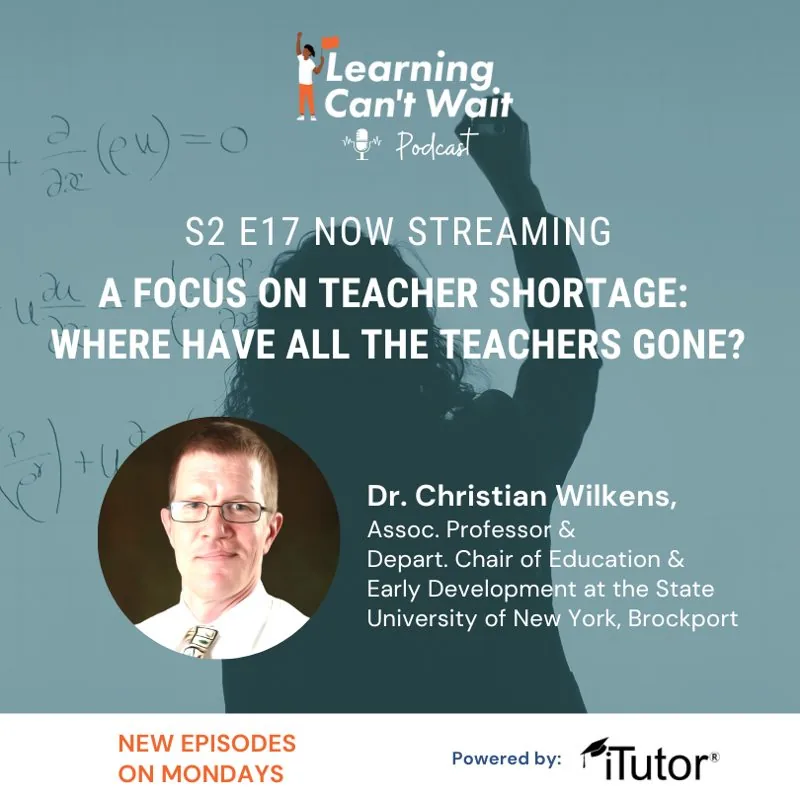 Christian P. Wilkens: Teacher Shortage, Education Inequality, Education Workforce, DiversityJanuary 17, 2023 · Christian P. Wilkens
 Ellen Sherratt: Education Policy, Teacher Shortage, Teacher Salaries, Teacher Salary ProjectApril 3, 2023 · Ellen Sherratt
 Mike Barrera & Conrad Cantu: Rural Education, Career and Technical Education, Rural School Innovation ZoneJune 18, 2024 · Mike Barrera, Conrad Cantu
For Education Leaders
Get proven strategies and expert analysis from the host of the Learning Can't Wait podcast, delivered straight to your inbox.







































How can we help? Let’s connect.
Tell us what you need. It takes about a minute, and you’ll see the next steps right away.
We’ll reach out within one business day
An education consultant talks through your students, schedule and goals.
Get a plan for your district
A plan built around your needs and budget.
Need support? Call 1 (888) 841-7840
Thanks! Our team will reach out within one business day to set up a time that works for you.
Need help sooner? Book a time now
Your one-pagers
Matched to what you told us. They download as one PDF.
Every child deserves the opportunity to access exceptional education.